
US strikes Iranian targets as peace deal remains elusive, crypto markets reel
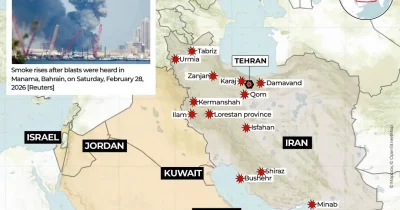
US military strikes against Iranian targets have escalated geopolitical tensions, triggering broader market volatility that challenges cryptocurrency's positioning as a safe-haven asset during crises. With diplomatic peace negotiations stalled, investors face uncertainty about how prolonged regional conflict could impact crypto markets and macroeconomic conditions.
The US strikes on Iranian targets represent a significant escalation in Middle Eastern geopolitical risk, creating the kind of macro uncertainty that typically tests cryptocurrency's purported role as a hedge against geopolitical instability. Historically, crypto has marketed itself as an alternative store of value during times of international conflict, yet the market reaction—described as a "reel"—suggests this narrative is being challenged in real-time. The inability to achieve a peace deal indicates this situation could extend beyond a single flash-point event, creating sustained uncertainty.
This escalation follows years of tensions between the US and Iran, punctuated by previous strikes and sanctions that have already influenced oil prices and broader market sentiment. The diplomatic vacuum, rather than active channels for de-escalation, makes predicting market moves increasingly difficult. Historical parallels suggest such geopolitical events often precede volatility spikes across all risk assets, including cryptocurrencies.
For crypto investors, the market reaction reveals critical insights about actual versus theoretical safe-haven properties. Bitcoin and other assets experienced selling pressure rather than the flight-to-safety inflows often expected during crises. This discrepancy between crypto's marketing narrative and its demonstrated behavior during real crises warrants investor reassessment. Risk management becomes crucial as geopolitical premiums likely built into oil and equity markets may extend to crypto holdings. Investors should monitor how sustained tension affects capital flows and macroeconomic policy responses from central banks, both traditional influences on crypto valuations.
- →US military strikes on Iran escalated regional tensions while peace negotiations remain stalled, creating sustained macro uncertainty.
- →Crypto markets declined amid the geopolitical crisis, challenging the narrative of cryptocurrency as a safe-haven asset.
- →Historical patterns suggest prolonged geopolitical tensions typically correlate with multi-asset volatility, including cryptocurrencies.
- →Central bank responses to escalating tensions could indirectly influence crypto markets through inflation expectations and policy shifts.
- →Investors should reassess safe-haven assumptions and implement risk management strategies during periods of diplomatic deadlock.