
Oil rises nearly 1% as US launches strikes against Iran, rattling energy and crypto markets
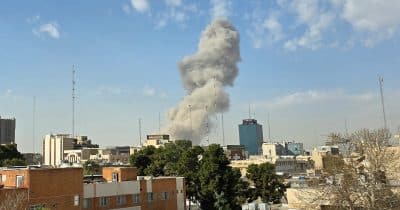
US military strikes against Iran have triggered a nearly 1% rise in oil prices, creating spillover volatility across energy and cryptocurrency markets. The escalation of US-Iran tensions poses risks of sustained energy market disruption and elevated crypto market instability, with potential implications for global economic stability.
Geopolitical conflicts directly impact cryptocurrency markets through multiple transmission channels. When military escalations occur, traditional safe-haven assets like oil and gold typically see increased demand, which can redirect capital flows away from risk assets like crypto. The nearly 1% oil price movement following US strikes against Iran demonstrates how quickly geopolitical events translate into market reactions, signaling trader anxiety about broader economic consequences.
Historically, US-Iran tensions have created pronounced market volatility. Previous escalations, including the 2020 Soleimani assassination, triggered significant intraday swings across equities, commodities, and digital assets. These events underscore how geopolitical risks operate as macro catalysts that override fundamental crypto narratives, forcing investors to reassess portfolio positioning amid uncertainty.
The crypto market's sensitivity to energy sector stability stems from two factors: first, elevated oil prices increase inflation expectations, potentially affecting monetary policy trajectories and risk appetite; second, heightened geopolitical uncertainty typically suppresses appetite for speculative assets. Bitcoin and altcoins often experience sell-offs during geopolitical crises as investors rotate toward perceived safety.
Looking ahead, traders should monitor whether current tensions escalate into sustained conflict, which could push oil toward $80-90+ per barrel and trigger crypto market capitulation. The duration and intensity of US-Iran hostilities will determine whether this represents a temporary volatility spike or signals a regime shift toward prolonged macroeconomic headwinds. Market participants should watch for additional military actions, sanctions announcements, or international diplomatic responses that could amplify or defuse tensions.
- →US military strikes against Iran pushed oil prices up nearly 1%, signaling geopolitical risk premia affecting energy markets.
- →Cryptocurrency markets face increased volatility as investors reassess risk exposure amid elevated US-Iran tensions.
- →Geopolitical escalations redirect capital flows from speculative assets toward traditional safe-haven commodities and reduced leverage.
- →Extended Iran tensions could push oil prices higher and suppress crypto market sentiment through inflation and policy uncertainty concerns.
- →Traders should monitor diplomatic developments and military escalation intensity to gauge duration of current market volatility.