
US-Iran talks postponed amid Israeli military actions in Lebanon
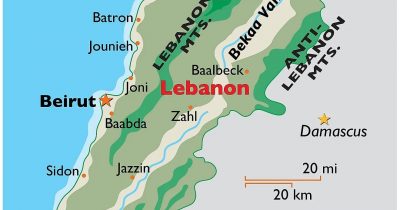
Postponement of US-Iran diplomatic talks due to Israeli military operations in Lebanon signals escalating regional tensions that could undermine geopolitical stability. Market participants face increased uncertainty as Middle East conflicts historically trigger cryptocurrency volatility and risk-off sentiment across digital assets.
The postponement of US-Iran talks represents a significant setback for diplomatic resolution in one of the world's most volatile regions. Israeli military actions in Lebanon have created an immediate crisis that supersedes scheduled negotiations, forcing diplomatic efforts into abeyance. This pattern reflects the fragile nature of Middle Eastern geopolitics, where military escalations frequently derail peace initiatives and create unpredictable security environments.
Regionally destabilizing conflicts have historically created safe-haven demand dynamics that benefit certain asset classes while pressuring others. Cryptocurrency markets respond to geopolitical uncertainty through multiple channels: flight-to-safety allocations toward defensive assets, increased volatility in traditional markets that spills over to digital assets, and potential sanctions regimes that could affect blockchain networks or trading infrastructure. Iran specifically has maintained cryptocurrency activity as a sanctions-circumvention tool, so escalating tensions could reshape crypto usage patterns in the region.
For cryptocurrency investors and market participants, regional conflict creates both headwinds and opportunities. Immediate impacts typically include increased volatility, widened bid-ask spreads, and correlation shifts between crypto and traditional risk assets. The broader implications concern long-term market structure—if tensions escalate further, governments may implement new financial sanctions requiring blockchain compliance and monitoring. Investors should monitor developments carefully for potential policy announcements or sanctions targeting financial networks.
Looking ahead, market participants should watch for any direct sanctions announcements, changes in oil prices (which influence broader risk sentiment), and statements from US or Iranian officials regarding future diplomatic windows. Resolution timelines matter significantly for market positioning.
- →US-Iran diplomatic talks postponed due to Israeli military operations in Lebanon, signaling escalating regional tensions
- →Geopolitical conflicts typically trigger cryptocurrency volatility and risk-off sentiment in digital markets
- →Iran historically uses cryptocurrency to circumvent sanctions, making regional instability relevant to crypto market structure
- →Investors should monitor for potential new sanctions announcements that could impact blockchain networks
- →Oil price movements and diplomatic timeline shifts warrant close attention for market implications