
Gulf states wary as US-Iran talks in Islamabad may bolster Iran’s Hormuz control
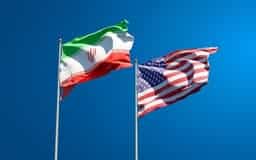
US-Iran diplomatic talks in Islamabad risk shifting regional power dynamics in ways that could strengthen Iran's control over the Strait of Hormuz, a critical chokepoint for global oil shipments. Gulf state allies express concern that negotiations may proceed without addressing their security interests, potentially destabilizing an already fragile regional balance.
Geopolitical tensions in the Middle East directly influence global energy markets, which remain foundational to cryptocurrency volatility and macroeconomic stability. The Strait of Hormuz facilitates approximately 20% of global petroleum trade, making any shift in its control strategically significant for oil prices, inflation expectations, and broader financial markets that crypto assets track closely.
US-Iran dialogue has historically oscillated between confrontation and engagement, with the 2015 Joint Comprehensive Plan of Action representing the most recent major diplomatic effort. The current talks in Islamabad suggest renewed diplomatic channels, yet Gulf Cooperation Council members—particularly Saudi Arabia and UAE—worry that negotiations may prioritize US-Iran relations over regional security architectures. This concern stems from Iran's history of asserting maritime dominance, including alleged attacks on tanker traffic and drone operations that disrupt shipping lanes.
For cryptocurrency and blockchain markets, geopolitical escalation typically triggers flight-to-safety dynamics, strengthening assets like Bitcoin as macro hedges while creating volatility in traditional markets. Conversely, successful de-escalation could reduce energy price uncertainty and diminish crypto's appeal as an inflation hedge. The ambiguity surrounding these talks—progress without regional buy-in—creates a middle ground that sustains elevated uncertainty without clear resolution.
Monitor whether subsequent diplomatic rounds include formal Gulf state participation and whether concrete agreements emerge regarding maritime security and sanctions frameworks. Any unilateral US-Iran agreements could trigger defensive posturing from Gulf allies, potentially increasing regional military spending and energy market volatility.
- →US-Iran talks risk shifting Middle East power dynamics without addressing Gulf state security concerns.
- →Control of the Strait of Hormuz affects 20% of global oil trade, directly impacting crypto market volatility.
- →Diplomatic ambiguity without regional consensus typically sustains elevated market uncertainty.
- →Gulf states may pursue independent security arrangements if excluded from broader negotiations.
- →Geopolitical escalation historically drives crypto asset demand as macro hedges against inflation.