
20,000 seafarers stranded as US-Iran talks stall over Strait of Hormuz closure
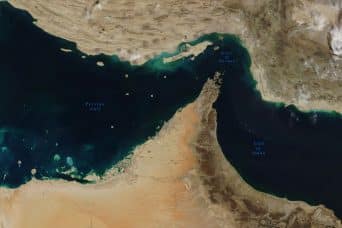
Stalled negotiations between the US and Iran over potential closure of the Strait of Hormuz have left approximately 20,000 seafarers stranded, escalating regional instability and threatening global trade flows. The diplomatic impasse underscores the vulnerability of international commerce to geopolitical tensions and raises concerns about broader economic disruption.
The breakdown in US-Iran negotiations regarding the Strait of Hormuz represents a critical inflection point in Middle Eastern geopolitics with cascading economic consequences. The potential closure of this vital shipping corridor—through which roughly 21% of global petroleum passes—threatens not just maritime commerce but energy markets globally. The stranding of 20,000 seafarers signals the human cost of diplomatic failure and demonstrates how quickly geopolitical brinkmanship translates into concrete economic damage.
Historically, tensions between the US and Iran have periodically spiked, but recent talks suggested a possible de-escalation path. The current stall reverses that momentum, reflecting fundamental disagreements over sanctions relief and nuclear constraints. Regional instability has intensified following broader Middle East tensions, creating an environment where maritime chokepoints become weaponized negotiating tools. This pattern mirrors previous crises that destabilized energy markets and triggered commodity price spikes.
For financial markets, Strait of Hormuz closure risks trigger immediate oil price volatility and shipping cost increases, directly impacting inflation expectations and equity valuations. Cryptocurrency markets often respond to macro uncertainty with flight-to-safety dynamics, though energy inflation can pressure tech sector multiples. Energy-linked crypto assets and blockchain solutions for supply chain transparency face both headwinds from economic contraction and tailwinds from demand for alternative financial infrastructure during crises.
Market participants should monitor negotiation progress closely, as even incremental diplomatic movement could significantly de-risk energy markets. Sustained closure scenarios would necessitate strategic petroleum reserve releases and alternative routing—both economically disruptive outcomes that reshape global trade infrastructure for months.
- →US-Iran diplomatic talks have stalled, threatening closure of the Strait of Hormuz and stranding 20,000 seafarers in the process.
- →Potential Strait of Hormuz closure would disrupt 21% of global petroleum transit, creating immediate energy market volatility.
- →Regional geopolitical instability increases risks for global trade and shipping costs, with cascading effects across financial markets.
- →Cryptocurrency markets may experience volatility as macro uncertainty and inflation concerns dominate investor sentiment.
- →Negotiation progress or breakdown will be critical determinants of energy market trajectory and broader economic stability.