
Missile attack on Kuwaiti base escalates US-Iran tensions amid stalled talks
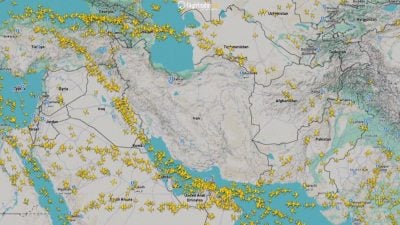
A missile attack on a US military base in Kuwait has intensified geopolitical tensions between the US and Iran, occurring amid stalled diplomatic negotiations. The incident raises concerns about regional instability and the potential for military escalation in the Persian Gulf.
The missile strike represents a significant escalation in US-Iran hostilities that directly impacts global energy markets and risk sentiment across all asset classes, including cryptocurrencies. Military tensions in the Gulf region historically correlate with oil price spikes and increased demand for safe-haven assets, dynamics that influence macro trading conditions and volatility expectations for crypto markets. The breakdown of diplomatic channels suggests actors perceive military action as preferable to negotiation, a dangerous signal for regional stability that could trigger broader geopolitical responses.
This incident follows a pattern of tit-for-tat escalations between the US and Iran spanning years, punctuated by periods of attempted de-escalation through diplomatic channels. The current stalling of talks indicates efforts to reduce tensions have deteriorated, leaving military posturing as the primary means of signaling resolve. Such cycles typically intensify when neither party perceives sufficient incentive to compromise, suggesting the window for peaceful resolution may be narrowing.
For crypto and financial markets, geopolitical crises of this magnitude can trigger immediate volatility as traders reassess risk premiums and seek hedges. Oil price movements following Gulf tensions directly influence inflation expectations, central bank policy trajectories, and consequently broader market risk appetite. Investors often rotate toward non-correlated assets like Bitcoin during uncertain periods, though acute military escalation can spark widespread risk-off behavior that pressures all risk assets simultaneously. Traders should monitor developments for potential policy responses, sanctions announcements, or military actions that could significantly shift market risk-off dynamics.
- →Missile attack on Kuwaiti base signals breakdown of US-Iran diplomatic efforts and increased military escalation risk
- →Regional instability in the Persian Gulf historically drives oil price volatility with cascading effects on macro markets
- →Geopolitical crises typically trigger cryptocurrency volatility as investors reassess risk exposure and seek hedges
- →Stalled diplomatic talks indicate diminished prospects for de-escalation in the near term
- →Market participants should monitor for sanctions announcements or military responses that could accelerate risk-off sentiment