
US denies Iranian strike on Navy, Trump rejects Iran’s 14-point plan
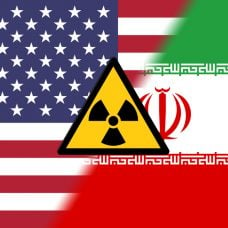
Escalating US-Iran tensions have intensified following the US denial of an Iranian strike on Navy assets and the Trump administration's rejection of Iran's 14-point peace proposal. The geopolitical friction significantly reduces prospects for nuclear deal negotiations and raises the risk of military confrontation, creating macroeconomic uncertainty that affects global markets including cryptocurrency.
The rejection of Iran's diplomatic proposal by the Trump administration signals a hardening stance that forecloses near-term peaceful resolution pathways. This development follows a pattern of tit-for-tat military posturing, with the US denying Iranian strikes while Iran simultaneously presents peace conditions. The escalatory cycle reduces diplomatic off-ramps and increases the probability of accidental or intentional military engagement in strategically critical regions, particularly the Persian Gulf where significant global energy infrastructure operates.
Historically, US-Iran tensions correlate with oil price volatility and broader risk-asset selloffs. Previous escalation cycles in 2019-2020 saw crude prices spike, triggering inflationary pressures that crypto markets typically respond to negatively in their risk-off phases. The current rejection of Iran's peace initiative suggests policymakers favor containment through military posturing rather than negotiated settlements, a trajectory that typically extends uncertainty periods and increases geopolitical risk premiums across markets.
For cryptocurrency investors and market participants, heightened geopolitical tension creates conflicting pressures. Flight-to-safety dynamics traditionally benefit store-of-value assets like Bitcoin as investors hedge against currency debasement and geopolitical instability. Simultaneously, broader market risk-off sentiment can trigger crypto liquidations as leveraged positions unwind. Energy markets face direct impacts from potential supply disruptions, which cascade into inflation expectations and central bank policy responses.
Market participants should monitor escalation indicators including military movements, diplomatic statements, and oil price movements. Extended geopolitical tension without resolution typically sustains elevated volatility and uncertainty premiums across risk assets throughout 2024-2025.
- →Trump's rejection of Iran's peace plan reduces diplomatic pathways and increases military escalation probability
- →US-Iran tensions historically correlate with oil volatility and broader risk-asset market disruption
- →Cryptocurrency markets face conflicting pressures from safe-haven demand versus risk-off liquidations during geopolitical crises
- →Extended uncertainty from unresolved tensions typically sustains elevated volatility premiums across markets
- →Monitor Persian Gulf energy infrastructure and crude prices as primary indicators of escalation severity