
CENTCOM conducts self-defense strikes on Iranian targets amid rising tensions
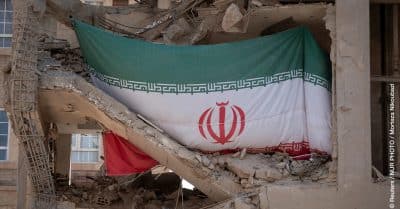
U.S. Central Command conducted self-defense strikes against Iranian targets as tensions between the two nations escalate. The conflict threatens to destabilize the Middle East region, with potential ripple effects on global energy markets and increased geopolitical uncertainty that could impact asset valuations across multiple sectors.
The escalation of U.S.-Iran military tensions represents a significant geopolitical flashpoint with broad macroeconomic implications. While the article provides limited specifics on the nature or scale of the strikes, the underlying conflict reflects longstanding regional instability that periodically resurfaces with renewed intensity. This pattern of escalation historically correlates with disruptions to Middle Eastern energy infrastructure and supply chains.
Geopolitically, renewed U.S.-Iran conflict introduces unpredictability into an already fragile regional balance. Previous escalations have triggered immediate crude oil price spikes, as markets price in supply disruption risks from potential Iranian retaliation or counterstrikes affecting petroleum infrastructure. The psychological impact on risk sentiment extends beyond energy—investors typically seek safe-haven assets during geopolitical crises, affecting capital flows across equities, bonds, and commodities.
For cryptocurrency and digital asset markets, geopolitical uncertainty typically generates mixed signals. Flight-to-safety dynamics can benefit alternative stores of value, while broader market volatility and deleveraging can suppress risk assets including crypto. Energy cost inflation resulting from supply concerns indirectly impacts blockchain networks and mining operations dependent on stable electricity prices.
Investors should monitor escalation indicators and track crude oil price movements as primary signals of conflict intensity. Secondary watch points include U.S. Treasury yield curves, which reflect systemic risk assessment, and energy sector volatility indices. Regional stability developments over the coming weeks will determine whether this represents a contained tactical response or the opening phase of sustained tensions affecting 2024-2025 market dynamics.
- →U.S.-Iran military escalation introduces near-term geopolitical risk with potential energy market disruptions
- →Historical precedent shows such tensions trigger crude oil price spikes affecting global inflation dynamics
- →Cryptocurrency markets may experience volatility as investors reassess risk exposure and seek safe-haven positioning
- →Mining operations and blockchain infrastructure face indirect pressure from energy cost increases
- →Market participants should monitor crude oil futures and U.S. Treasury yields as escalation barometers