
US-Iran tensions rise as military exchange escalates in Strait of Hormuz
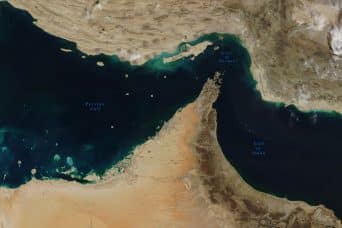
Escalating military tensions between the US and Iran in the Strait of Hormuz threaten regional stability and could disrupt global oil supplies, a critical factor affecting cryptocurrency and broader financial markets. The conflict raises geopolitical risks that typically drive investors toward alternative assets and create macroeconomic volatility.
US-Iran military escalation in the Strait of Hormuz represents a significant geopolitical flashpoint with far-reaching economic consequences. The Strait of Hormuz is one of the world's most critical chokepoints for global energy trade, with approximately 21% of petroleum passing through its waters annually. Any sustained disruption to shipping in this region directly impacts oil prices, which remain a primary driver of macroeconomic conditions and investor sentiment across cryptocurrency and traditional markets.
This tension follows a pattern of recurring US-Iran confrontations dating back decades, but recent escalations reflect broader strategic competition in the Middle East. Previous incidents, including the 2019 tanker attacks and 2020 assassination of Iranian military commander Soleimani, temporarily spiked oil prices and created crypto market volatility as investors sought inflation hedges.
For cryptocurrency markets, geopolitical crises typically produce mixed signals. Rising oil prices increase inflation expectations, potentially supporting Bitcoin as a non-correlated hedge asset, while simultaneously triggering risk-off sentiment that pressures risk assets. Regional instability can also create safe-haven demand for stablecoins and flight-to-quality dynamics. Energy security concerns may also increase focus on blockchain-based solutions for supply chain transparency.
Investors should monitor oil price movements, which serve as leading indicators for broader market stress. Sustained Hormuz disruptions could trigger capital reallocation toward defensive assets, including cryptocurrencies, though initial volatility may work against crypto markets given their sensitivity to macro risk-off scenarios. Diplomatic developments and OPEC responses will prove critical in determining whether tensions translate into sustained economic friction.
- →Strait of Hormuz disruptions threaten 21% of global petroleum trade, directly impacting oil prices and macroeconomic conditions
- →Geopolitical crises typically create volatility across cryptocurrency markets through competing safe-haven and risk-off dynamics
- →Previous US-Iran military incidents have spiked energy prices and triggered investor flight toward alternative assets
- →Oil price movements serve as leading indicators for broader market stress and crypto asset allocation shifts
- →Diplomatic resolution or escalation will determine whether tensions produce sustained economic friction or temporary volatility