
US launches fresh attacks on Iran as fighter jets fly over Bandar Abbas
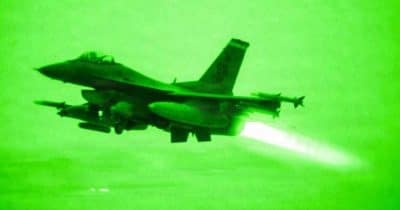
Escalating military tensions between the US and Iran, marked by fighter jet operations over Bandar Abbas, threaten to destabilize global markets. The geopolitical conflict could trigger significant volatility in oil prices, which historically correlates with cryptocurrency market movements and broader macroeconomic uncertainty.
US military operations near Iranian territory represent a critical escalation in ongoing geopolitical tensions that extend beyond traditional political boundaries into financial markets. Bandar Abbas, a strategically vital Persian Gulf port, serves as a key oil export hub, making military activity in the region particularly consequential for energy markets. Historical precedent demonstrates that Middle Eastern conflicts directly impact crude oil pricing, which functions as a fundamental driver of inflation expectations and macroeconomic sentiment.
The broader context of US-Iran relations encompasses years of sanctions, regional proxy conflicts, and escalating military posturing. These tensions create structural uncertainty that investors monitor closely, as energy shocks have preceded multiple cryptocurrency market corrections. Oil price spikes typically coincide with inflation concerns, potentially affecting Federal Reserve monetary policy expectations and risk asset valuations across cryptocurrencies and equities.
For crypto markets specifically, geopolitical crises generate divergent effects. Flight-to-safety dynamics can support Bitcoin as a non-correlated asset, while economic recession fears may suppress speculative altcoin demand. Commodities markets experience direct impacts through crude oil volatility, which influences broader portfolio rebalancing. Institutional investors typically reduce risk exposure during geopolitical uncertainty, potentially creating liquidation cascades in leveraged crypto positions.
Market participants should monitor oil futures trajectories closely, as sustained price spikes above $90 per barrel historically correlate with crypto market stress. Central bank communications regarding inflation responses become critical variables. Traders should observe whether escalation continues or de-escalates, as resolution timelines dramatically affect risk asset recovery patterns. Portfolio hedging strategies warrant review given the compounding effects of geopolitical risk on macro sentiment.
- →US military operations near Bandar Abbas threaten Iranian oil export capacity, a critical global energy source affecting inflation expectations.
- →Middle Eastern geopolitical crises historically trigger crude oil volatility, which correlates with cryptocurrency market stress and institutional risk-off positioning.
- →Bitcoin may benefit from safe-haven demand during conflict escalation, while altcoins face liquidation pressure from risk reduction.
- →Oil price spikes above $90 per barrel have preceded crypto market corrections in multiple historical instances.
- →De-escalation timelines and central bank inflation responses will determine the magnitude and duration of crypto market volatility.