
US-Iran talks enter day 2 as Trump threats and Hormuz closure rattle crypto markets
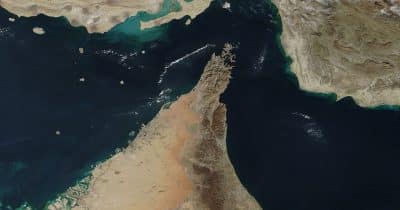
Escalating US-Iran tensions, including Trump's threats and potential Strait of Hormuz closure, are creating geopolitical uncertainty that ripples through cryptocurrency markets. The standoff underscores how crypto assets face increased regulatory scrutiny and volatility tied to international conflicts, affecting investor sentiment and market stability.
Geopolitical tensions between the US and Iran represent a critical flashpoint for cryptocurrency markets, as these conflicts introduce macroeconomic uncertainty and policy unpredictability. The threat of Strait of Hormuz closure—a chokepoint controlling roughly 20% of global oil trade—creates cascading effects across financial markets, including crypto. When traditional markets face stress from geopolitical risk, investors typically reassess portfolio allocations, and crypto's nascent market structure makes it particularly vulnerable to sudden capital flows and volatility spikes.
Historically, crypto markets have shown sensitivity to geopolitical events, with Bitcoin and other assets experiencing price swings during international crises. This sensitivity reflects crypto's dual nature: as a speculative asset class and as a potential hedge against currency devaluation in affected regions. Iran specifically has shown interest in crypto adoption as a sanctions-evasion mechanism, which intensifies regulatory concerns in Western markets.
The immediate market impact centers on increased volatility and potential regulatory backlash. US policymakers may accelerate crypto regulations targeting sanctions compliance and cross-border capital flows, directly affecting trading platforms and custodians. Investors face uncertainty around position sizing and exposure management, particularly those holding volatile altcoins. The convergence of geopolitical risk and regulatory tightening creates a challenging environment for risk assessment.
Looking ahead, market participants should monitor three key developments: official statements from US Treasury regarding crypto sanctions enforcement, oil price movements and their correlation to Bitcoin, and announcements from major crypto exchanges regarding Iran-related compliance measures. The trajectory of these talks will likely shape regulatory frameworks for the remainder of the year.
- →Strait of Hormuz closure threats could trigger oil price spikes, historically correlating with crypto market volatility
- →Regulatory scrutiny intensifies as policymakers target crypto as a potential sanctions-evasion tool during international crises
- →Geopolitical uncertainty typically accelerates capital reallocation away from high-volatility assets like altcoins
- →Iran's historical interest in crypto adoption creates additional compliance requirements for Western exchanges and custodians
- →Market participants should expect increased correlation between crypto prices and traditional macro indicators during this period