
US fires on Iranian cargo ship Touska near Strait of Hormuz
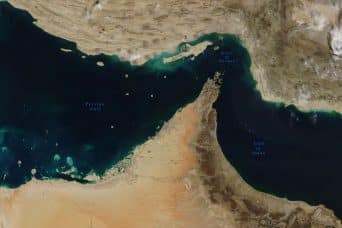
A US military incident involving an Iranian cargo ship near the Strait of Hormuz has escalated geopolitical tensions in a critical maritime chokepoint. The event threatens to disrupt global oil markets and increase volatility in one of the world's most strategically important trade corridors.
The reported incident between US forces and the Iranian vessel Touska represents a dangerous escalation in Middle Eastern tensions at a location that handles approximately one-third of global seaborne oil trade. The Strait of Hormuz has long been a flashpoint for geopolitical conflict, but military engagement involving cargo vessels signals a shift toward more direct confrontation that extends beyond diplomatic posturing. This development carries significant implications for energy markets, as any sustained disruption to shipping through the strait could trigger immediate oil price spikes and broader inflationary pressures across global economies.
Historically, tensions in the Persian Gulf have correlated with increased risk premiums in commodity markets and safe-haven demand for assets like gold and traditional hedges. The incident reflects ongoing US-Iran tensions stemming from nuclear negotiations, sanctions regimes, and competing regional interests, creating an unpredictable environment where military incidents could escalate rapidly. Previous confrontations in these waters have prompted temporary market rallies in energy and defensive assets, though the duration and severity of market impact depend on whether the incident represents isolated action or indicates a broader policy shift.
For cryptocurrency and digital asset markets, geopolitical instability typically drives capital toward perceived safe-haven assets and increases demand for censorship-resistant financial instruments. However, the primary market impact flows through traditional energy and equity markets first. Investors should monitor ongoing developments in US-Iran relations and maritime incidents as indicators of broader macroeconomic stress that could affect risk appetite across all asset classes, including crypto markets that remain sensitive to macro conditions despite claims of independence.
- →A US military incident near the Strait of Hormuz escalates tensions in a critical global oil shipping corridor handling one-third of seaborne crude.
- →Disruptions to this strategic waterway historically trigger oil price volatility and safe-haven asset demand across financial markets.
- →Geopolitical instability in the Persian Gulf typically increases cryptocurrency demand as a hedge against traditional market disruption and currency devaluation.
- →The incident signals potential policy escalation beyond diplomatic channels, creating elevated uncertainty for energy markets and broader macroeconomic conditions.
- →Market participants should track US-Iran developments as a leading indicator of risk-off conditions affecting asset allocation across traditional and crypto sectors.