
US-Israel airstrikes hit Iran industries, spark economic turmoil
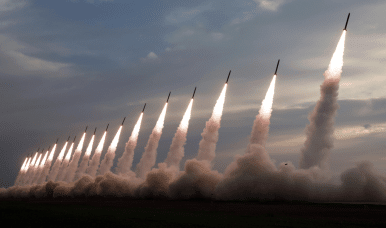
US and Israeli airstrikes targeting Iranian industrial infrastructure have intensified economic pressure on Iran's already-strained economy. The strikes are designed to weaken Iran's military capacity and destabilize its regime, with broader geopolitical implications for Middle Eastern stability and global markets.
The coordinated US-Israel airstrikes represent a significant escalation in regional tensions with potential ripple effects across global markets. By targeting Iranian industrial facilities, the strikes aim to degrade Iran's economic output and reduce its ability to fund military operations and regional proxy activities. This military action compounds existing economic challenges Iran faces, including international sanctions, currency instability, and infrastructure decay.
The broader geopolitical context involves decades of US-Iran tensions, Israeli security concerns, and regional proxy conflicts. Recent escalations in the Middle East have elevated uncertainty across energy markets, financial systems, and emerging economies dependent on regional stability. Iran's economy, already fragile due to sanctions and mismanagement, becomes increasingly vulnerable to external shocks.
For cryptocurrency and financial markets, geopolitical crises typically drive investors toward safe-haven assets like Bitcoin and gold while increasing volatility in traditional equities and commodities. Energy prices may face upward pressure if infrastructure damage affects oil production or transit routes through the Persian Gulf. Emerging market assets and currencies could experience outflows as risk appetite diminishes.
Investors should monitor developments in energy markets, dollar strength, and Bitcoin's performance as indicators of broader risk sentiment. Any escalation threatening global oil supply chains could create significant market dislocations. The situation underscores how geopolitical events beyond the crypto industry directly influence market dynamics and investor behavior.
- →Airstrikes target Iranian industrial capacity to weaken military funding and economic stability.
- →Regional escalation typically drives capital toward safe-haven assets including cryptocurrencies.
- →Oil markets and emerging market currencies face pressure from heightened geopolitical risk.
- →Economic sanctions combined with infrastructure damage intensify Iran's macroeconomic challenges.
- →Investors should monitor Middle East developments as indirect drivers of crypto and traditional market volatility.