
US-Israel strikes target Iran’s nuclear weaponization capabilities
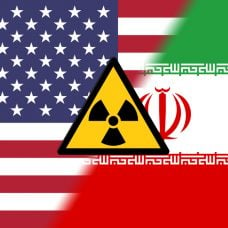
US and Israeli military strikes targeted Iran's nuclear weaponization facilities, escalating Middle East tensions and reducing prospects for US-Iran nuclear negotiations. The strikes are expected to prompt Iranian defensive responses and further destabilize the region.
The coordinated US-Israel military campaign against Iranian nuclear infrastructure represents a significant escalation in Middle Eastern geopolitical tensions. This action directly challenges Iran's nuclear ambitions and signals a hardening stance from Western powers on Iran's atomic program, effectively closing the door on near-term diplomatic solutions and nuclear deal negotiations.
This strike follows decades of contentious negotiations over Iran's nuclear capabilities, including the 2015 Joint Comprehensive Plan of Action (JCPOA) and subsequent US withdrawal under the Trump administration. Iran has consistently maintained its nuclear program for civilian purposes, though Western intelligence assessments suggest weaponization research components. The military action reflects the failure of diplomatic channels and marks a pivot toward kinetic solutions.
For cryptocurrency and blockchain markets, geopolitical instability traditionally creates safe-haven demand for assets perceived as uncorrelated to traditional finance. Bitcoin and other digital assets may experience volatility as investors reassess risk exposure amid regional conflict. Energy markets face disruption risk, which indirectly affects mining operations requiring cheap electricity. Additionally, potential Iranian sanctions expansion could impact cryptocurrency adoption patterns in the Middle East and affect global regulatory sentiment.
Looking ahead, watch for Iranian retaliation strategies, potential oil price spikes affecting mining profitability, and broader market reactions to sustained regional conflict. Further military escalation could trigger broader sanctions regimes affecting financial systems and potentially accelerating cryptocurrency adoption in sanctioned economies.
- →US-Israel strikes on Iranian nuclear facilities significantly reduce prospects for near-term diplomatic nuclear agreements
- →Geopolitical escalation typically increases safe-haven demand for Bitcoin and uncorrelated digital assets
- →Energy sector disruption risks could impact cryptocurrency mining profitability and operations
- →Potential Iranian sanctions expansion may reshape cryptocurrency adoption patterns in Middle Eastern markets
- →Further military escalation could trigger additional regulatory and financial system constraints