
US law enforcement warns of "anti-tech extremism" as AI hatred grows
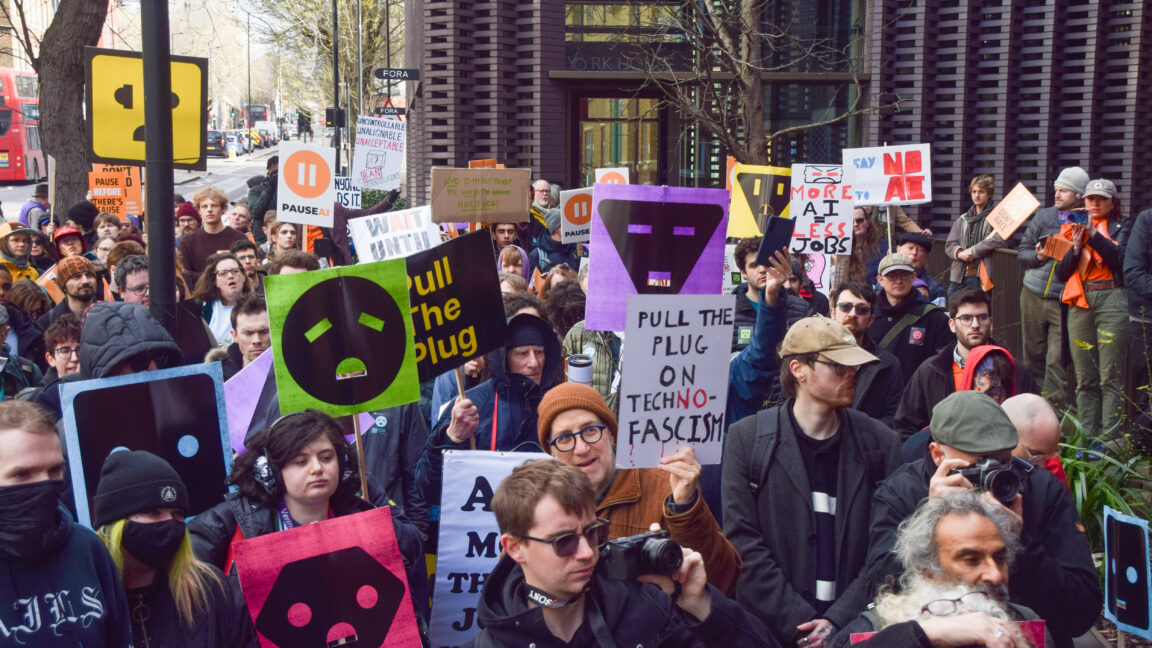
US law enforcement agencies are identifying "anti-tech extremism" as an emerging threat category, citing growing hostility toward artificial intelligence and technology infrastructure. This represents a shift in how federal authorities classify and monitor ideological movements that target technological systems and their developers.
Law enforcement's formal recognition of anti-tech extremism signals a broadening interpretation of domestic threat assessment. Previously categorized under generic extremism or activism, anti-AI sentiment is now receiving dedicated analytical attention from federal agencies, suggesting the movement has reached a scale or organizational level warranting independent classification.
This development emerges amid intensifying public debate about AI's societal impacts, labor displacement, and autonomous systems. Some segments of society view AI advancement as fundamentally destabilizing to human welfare, employment, and autonomy. While most criticism remains peacefully expressed, law enforcement's warning implies they've identified concerning rhetoric or activities that cross into potentially illegal territory.
For the technology and cryptocurrency sectors, this classification carries mixed implications. Increased federal scrutiny of anti-tech movements could protect companies and infrastructure from sabotage or violence, potentially creating a more stable operating environment. However, it also risks chilling legitimate technological criticism and regulatory discussion under the "extremism" label—a concern for transparency advocates.
Investors should monitor how this classification evolves and whether it influences tech sector risk assessments. The crypto and AI industries, already operating under significant regulatory pressure, now face an additional dimension of scrutiny. If anti-tech extremism gains political salience, it could paradoxically accelerate regulatory action against emerging technologies, as governments seek to preempt threats. The next critical development is whether this becomes a tool for industry protection or regulatory overreach.
- →Federal law enforcement now formally tracks anti-tech extremism as a distinct threat category
- →Rising anti-AI sentiment may increasingly intersect with activism targeting technology infrastructure
- →Tech companies could gain protective benefits from official threat classification, though risks of regulatory overreach exist
- →The classification reflects growing mainstream concerns about AI impacts on employment and society
- →Cryptocurrency and AI sectors face compounded regulatory and reputational pressures from multiple angles