
US lifts naval blockade of Iran after signing ceasefire deal with $300B reconstruction fund
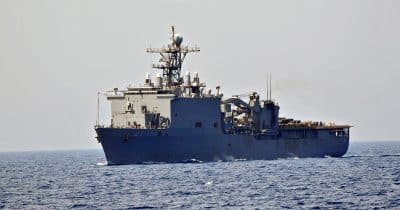
The US has lifted its naval blockade of Iran following a ceasefire agreement that includes a $300 billion reconstruction fund. The deal aims to reduce regional tensions, stabilize energy markets, and encourage diplomatic dialogue between the two nations.
This geopolitical development represents a significant shift in US-Iran relations, with the lifting of the naval blockade signaling a departure from years of escalating tensions and sanctions-based diplomacy. The $300 billion reconstruction fund demonstrates a commitment to economic rehabilitation in the region, potentially opening new trade corridors and reducing uncertainty that has long plagued international markets.
The historical context shows a pattern of tit-for-tat escalations between Washington and Tehran, including sanctions, proxy conflicts, and naval confrontations in the Persian Gulf. This ceasefire breaks that cycle by introducing a financial incentive structure for sustained peace, suggesting a recognition that military posturing and economic punishment have proven ineffective at achieving strategic objectives.
For global energy markets, the implications are substantial. Iran's oil production capacity has been constrained by sanctions, and lifting the blockade could increase supply, potentially moderating crude prices that have remained volatile due to Middle East geopolitical risk premiums. Cryptocurrency and traditional markets alike benefit from reduced geopolitical uncertainty, as risk-off sentiment typically pressures alternative assets.
Investors should monitor whether this agreement holds and how quickly reconstruction contracts materialize. The $300 billion fund could attract infrastructure investment and create opportunities in emerging markets. However, implementation risks remain, including potential political opposition in either country and verification mechanisms for ceasefire compliance. The success of this deal will depend on sustained diplomatic engagement and whether the reconstruction fund translates into genuine economic partnerships rather than becoming a symbolic gesture.
- →US naval blockade of Iran lifted as part of ceasefire agreement with $300B reconstruction fund
- →Deal addresses years of escalating tensions and could stabilize regional geopolitical risks
- →Energy market uncertainty decreases with potential increase in Iranian oil supply to global markets
- →Reduction in geopolitical risk premiums may benefit both traditional and cryptocurrency markets
- →Implementation success depends on political support in both countries and effective fund deployment mechanisms