
US manufacturing sector extends best hot streak since 2022
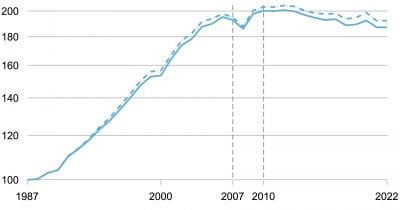
The US manufacturing sector is experiencing its strongest growth streak since 2022, driven by resilience amid pricing pressures and geopolitical instability. This expansion presents dual challenges for policymakers: it may complicate the Federal Reserve's monetary policy trajectory while simultaneously affecting labor market dynamics and wage pressures.
The US manufacturing sector's resurgence marks a notable economic inflection point with far-reaching implications for monetary policy and market expectations. Manufacturing activity has traditionally served as a leading indicator for broader economic health, and sustained expansion suggests underlying economic momentum despite recent recessionary concerns. This growth occurs against a backdrop of persistent inflationary pressures, supply chain vulnerabilities exacerbated by geopolitical tensions, and elevated pricing dynamics that manufacturers are navigating.
Historically, manufacturing cycles have been highly sensitive to Federal Reserve policy, global trade conditions, and input cost dynamics. The current streak extends from strength demonstrated in 2022, though manufacturing faced significant headwinds through 2023. The return to expansion indicates either improved demand fundamentals or inventory replenishment cycles, both carrying different implications for sustained growth. Geopolitical tensions—particularly concerning global supply chains and energy costs—add complexity to the outlook, as manufacturers face both opportunity and constraint.
For investors and market participants, sustained manufacturing growth typically supports equity valuations, particularly in industrial and technology sectors reliant on manufacturing demand. However, the pricing volatility component signals potential margin compression risks, which could temper earnings growth despite topline expansion. Central banks monitoring this data may face conflicting signals: strong manufacturing suggests economic resilience reducing rate-cut urgency, while pricing pressures require vigilance against reflation.
Forward-looking indicators to monitor include manufacturing PMI trends, capital expenditure plans, and employment figures within the sector. Any acceleration in wage growth or persistent pricing power could reignite inflation concerns and reshape Fed policy expectations, directly impacting risk asset valuations and broader market sentiment.
- →US manufacturing extends its best growth streak since 2022, signaling economic resilience despite macroeconomic headwinds
- →Pricing volatility and geopolitical tensions create margin pressures that may offset topline growth benefits
- →Strong manufacturing data complicates Fed policy decisions by balancing growth signals against inflation concerns
- →Labor market dynamics could tighten further if manufacturing expansion drives wage growth acceleration
- →Investors should monitor capital expenditure trends and employment data for sustainability of the manufacturing cycle