
US considers military action to open Strait of Hormuz amid Iran tensions
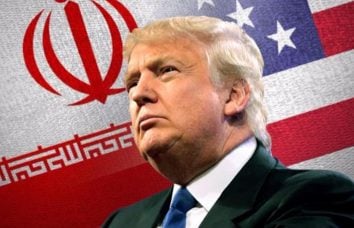
Escalating US-Iran tensions over control of the Strait of Hormuz pose significant risks to global oil supply chains. Military intervention could disrupt one of the world's most critical energy chokepoints, with cascading effects on energy prices and macroeconomic stability.
The Strait of Hormuz represents one of the most strategically important waterways globally, with approximately 20% of the world's oil passing through it daily. Tensions between the US and Iran over control and access to this chokepoint create genuine supply chain vulnerability. Military action would represent a dramatic escalation with far-reaching consequences beyond the immediate conflict zone.
Historically, geopolitical disruptions in Middle Eastern energy infrastructure have triggered sharp commodity price spikes. Previous incidents involving Iranian oil sanctions and tanker attacks demonstrated how regional instability translates into global energy market shocks. The current rhetoric suggests both sides are operating under elevated tensions, increasing the probability of miscalculation or deliberate confrontation.
For cryptocurrency and broader financial markets, oil price disruptions function as a macro shock. Rising energy costs fuel inflation concerns, potentially prompting central banks to maintain hawkish monetary policies longer than anticipated. Bitcoin and risk assets generally underperform during acute geopolitical crises as investors rotate toward safe havens. Energy-intensive sectors like crypto mining face direct operational cost increases if oil-driven energy prices spike.
Investors should monitor diplomatic developments closely. De-escalation announcements would likely trigger relief rallies in risk assets, while credible military action threats would intensify flight-to-safety dynamics. The timing and scale of any intervention remain critical variables determining market impact severity.
- →The Strait of Hormuz blockade would disrupt 20% of global oil supply, triggering energy price spikes.
- →Geopolitical shocks typically trigger risk-off sentiment, pressuring crypto and equity markets.
- →Energy cost increases directly impact mining operations and broader inflation expectations.
- →Diplomatic developments and military readiness statements will drive near-term market volatility.
- →Safe-haven assets typically outperform during acute Middle East conflicts.