
US C-17s land in Cyprus as Iran ceasefire talks falter
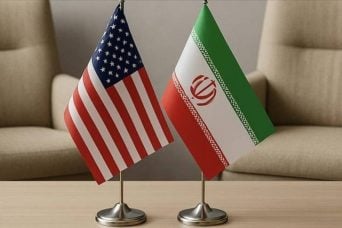
US military transport aircraft (C-17s) have landed in Cyprus amid deteriorating ceasefire negotiations with Iran, signaling potential military escalation in the Middle East. The concurrent failure of diplomatic efforts and increased military positioning highlight rising geopolitical tensions that could impact global markets and cryptocurrency volatility.
The landing of US C-17 military transport aircraft in Cyprus represents a significant shift toward military preparedness as diplomatic channels with Iran show signs of breakdown. This development underscores the delicate equilibrium between diplomatic resolution and military posturing in the Middle East, a region critical to global stability. The timing of these military movements coinciding with faltering ceasefire talks suggests contingency planning for potential conflict escalation rather than imminent military action, yet the symbolism carries substantial weight.
Historically, Middle Eastern tensions have driven volatile market reactions across traditional finance and cryptocurrency sectors. Previous standoffs between the US and Iran, including the 2020 Soleimani assassination, triggered temporary spikes in oil prices and risk-asset liquidation. The current situation reflects broader geopolitical fragmentation, with multiple regional conflicts creating uncertainty for investors and traders.
From a market perspective, continued escalation could pressure risk assets and benefit safe-haven plays including gold, US Treasury bonds, and potentially Bitcoin as a non-correlated hedge. Energy markets face upward pressure if tensions threaten regional oil production or shipping lanes. Cryptocurrency markets historically exhibit mixed responses to geopolitical events, though periods of heightened conflict have occasionally coincided with increased institutional adoption and retail interest in non-state currency alternatives.
Monitoring ceasefire negotiations and military movements in Cyprus remains critical for investors. Any significant escalation could trigger market-wide repricing, particularly in oil-sensitive assets and emerging markets. The diplomatic window appears narrow, making the coming weeks pivotal for assessing whether tensions resolve through negotiation or military engagement.
- →US military C-17 transport aircraft deployment to Cyprus signals military preparedness amid failed Iran ceasefire negotiations.
- →Breakdown in diplomatic talks combined with military positioning suggests heightened geopolitical risk in the Middle East.
- →Historical precedent indicates Middle Eastern tensions typically trigger volatility across equities, commodities, and cryptocurrency markets.
- →Risk-asset liquidation and safe-haven buying (gold, bonds, Bitcoin) typically accelerate during sustained conflict escalation scenarios.
- →Investors should monitor ceasefire progress closely as the diplomatic window appears limited and military posturing suggests contingency planning.