
US ready for major combat operations against Iran, says General Caine
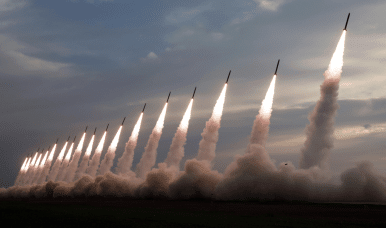
US General Caine announced increased military readiness for potential combat operations against Iran, escalating geopolitical tensions in the Middle East. This development reduces the likelihood of diplomatic resolution and introduces macroeconomic uncertainty that typically impacts cryptocurrency and risk asset valuations.
Geopolitical escalation between the United States and Iran represents a significant macroeconomic risk factor that reverberates through global financial markets, including cryptocurrency. When military tensions rise and diplomatic pathways narrow, investors typically reassess exposure to risk assets and seek safe-haven positions, which historically includes gold, government bonds, and increasingly, Bitcoin as a store of value hedge. The announcement of heightened combat readiness signals policymakers view conflict as a plausible scenario rather than a distant possibility, fundamentally altering market risk calculations.
Middle Eastern tensions directly influence oil markets and global energy costs, creating inflationary pressure that affects monetary policy expectations and cryptocurrency valuations. Previous episodes of Iran-US escalation, such as the 2020 Soleimani assassination and subsequent attacks on Saudi oil facilities, triggered immediate crypto market volatility as investors scrambled to price in geopolitical risk premiums. The current readiness announcement suggests military planners consider conflict preparation essential, implying diplomatic efforts have stalled and tensions have crossed a threshold.
For cryptocurrency investors and traders, escalating geopolitical risk typically triggers two competing dynamics: initial flight-to-safety selling of speculative assets, followed by potential Bitcoin appreciation as a geopolitical hedge. Increased defense spending and potential military conflict would likely accelerate inflation expectations and government debt issuance, factors that historically support higher crypto valuations as investors seek alternatives to fiat currency depreciation. Market participants should monitor diplomatic statements, oil price movements, and traditional equity indices for signals of whether markets are pricing in genuine conflict probability or treating this as political posturing.
- →Military readiness announcements reduce diplomatic resolution probability and increase geopolitical risk premium across markets
- →Middle East tensions typically drive oil price volatility and inflation expectations that affect cryptocurrency valuations
- →Bitcoin and risk assets may experience initial selling pressure followed by potential safe-haven appreciation during extended crises
- →Defense spending escalation and potential conflict would likely accelerate inflation and government debt issuance
- →Investors should monitor oil prices and traditional equity indices as leading indicators of market confidence in diplomatic resolution