
US military forces 62 ships to reroute in Strait of Hormuz amid rising tensions
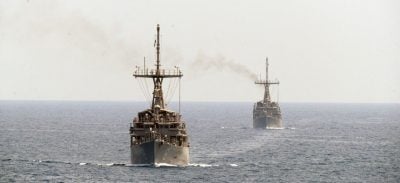
The US military has rerouted 62 ships through the Strait of Hormuz amid escalating regional tensions, raising concerns about potential disruptions to global oil supplies. This geopolitical development carries significant implications for international energy markets and could trigger broader macroeconomic volatility that affects cryptocurrency and digital asset valuations.
The rerouting of 62 military vessels signals intensifying geopolitical friction in one of the world's most critical maritime chokepoints. The Strait of Hormuz handles approximately 21% of global petroleum trade, making any supply disruption a material concern for energy-dependent economies and financial markets worldwide. This military repositioning indicates preparations for potential escalation scenarios, whether through direct conflict, naval confrontation, or punitive blockade tactics that could constrain oil flow.
Historically, geopolitical crises centered on energy infrastructure have triggered market-wide risk-off sentiment. Previous tensions in the Persian Gulf have correlated with sudden crude price spikes, which cascade through equities, bonds, and alternative asset classes. The cryptocurrency market, despite its decoupling narrative, remains sensitive to macroeconomic shocks triggered by energy price volatility. Oil supply disruptions create inflationary pressures that influence central bank policy responses and broader risk appetite across financial markets.
For crypto investors and traders, this development warrants attention as a macro headwind. Elevated oil prices increase systemic inflation expectations, potentially delaying accommodative monetary policy that has historically supported risk-asset appreciation. Bitcoin and other cryptocurrencies often perform better in low-inflation, low-rate environments. A sustained oil supply crisis could redirect institutional capital toward energy and commodity plays rather than speculative digital assets.
Market participants should monitor shipping reports, OPEC production statements, and US naval posture updates for signals of escalation or de-escalation. Secondary effects through emerging market currency depreciation and capital flight could also influence crypto market dynamics in the coming weeks.
- →The Strait of Hormuz handles 21% of global oil trade; disruption would trigger immediate energy price spikes.
- →Military rerouting suggests elevated conflict risk beyond routine naval operations.
- →Oil supply crises historically cause inflation expectations to rise, pressuring risk assets including cryptocurrencies.
- →Macro uncertainty from geopolitical tensions typically reduces institutional appetite for speculative assets.
- →Traders should monitor shipping data, OPEC communications, and naval activity for escalation or de-escalation signals.