
US confirms completion of latest strikes on Iranian military targets
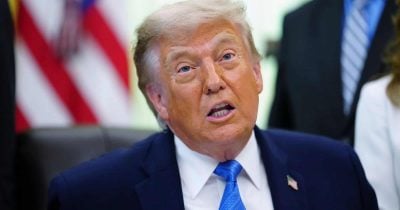
The US has completed military strikes against Iranian military targets, raising concerns about regional stability and potential defensive escalation by Iran. The action is likely to trigger international diplomatic responses and could influence geopolitical risk premiums affecting global markets.
The completion of US strikes on Iranian military targets represents a significant geopolitical escalation with immediate implications for global market volatility. Military conflicts in the Middle East historically create uncertainty that reverberates across asset classes, particularly affecting energy prices, currency valuations, and risk-on sentiment in cryptocurrency markets. The timing and scope of these strikes suggest deliberate strategic action rather than reactive measures, indicating potential for sustained regional tension rather than isolated incident resolution.
This military action occurs within a broader pattern of US-Iran tensions that have periodically intensified over the past several years. Previous strikes and sanctions have established a cycle of escalation and de-escalation, though each cycle risks further entrenchment. The current situation reflects underlying strategic competition over regional influence, nuclear program concerns, and proxy conflicts across Iraq, Syria, and Yemen. Understanding this context helps investors assess whether the current situation represents a temporary spike or a fundamental shift in geopolitical risk.
For cryptocurrency and digital asset markets, geopolitical crises typically trigger flight-to-safety behaviors that can suppress speculative risk assets in the short term. However, sustained geopolitical uncertainty often benefits assets perceived as uncorrelated to traditional systems, particularly decentralized networks and censorship-resistant cryptocurrencies. Traders should monitor crude oil prices, USD strength, and emerging market currencies as leading indicators of broader market stress transmission to digital asset classes.
Market participants should track diplomatic statements from European and Asian powers, sanctions announcements, and any disruption to regional energy infrastructure. The trajectory of Iran's potential response and the scale of international backlash will determine whether this becomes a contained incident or catalyst for broader market repricing.
- →US military strikes on Iranian targets increase geopolitical risk premiums across global markets, including cryptocurrency assets
- →Regional instability may prompt Iran to escalate defensive measures, potentially prolonging tension cycles and uncertainty
- →Oil price volatility and currency fluctuations resulting from Middle East tensions historically affect digital asset risk sentiment
- →Cryptocurrency markets typically exhibit flight-to-safety behavior during geopolitical crises, with mixed effects depending on duration
- →International diplomatic responses and potential sanctions will determine broader market impact and risk asset repricing