
US to bomb ‘key facilities’ in Iran on Wednesday: Hegseth
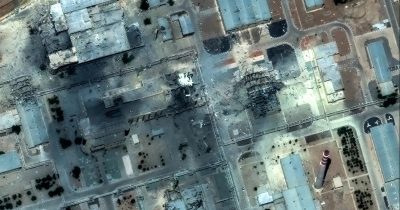
U.S. Defense Secretary Pete Hegseth announced planned military strikes on Iran targeting key facilities, raising concerns about regional destabilization and diplomatic strain despite assessments that Iran's regime remains stable. This geopolitical escalation has potential implications for global markets, including cryptocurrency and energy sectors sensitive to Middle East tensions.
The announcement of imminent U.S. military action against Iran represents a significant escalation in Middle East tensions. Hegseth's public statement about targeting key Iranian facilities signals a shift toward more direct confrontation, moving beyond previous diplomatic or covert operations. This development matters because it introduces acute geopolitical risk into an already volatile region, with consequences extending far beyond traditional defense considerations.
Historically, U.S.-Iran tensions have fluctuated between military posturing and diplomatic engagement, particularly following the 2015 nuclear deal withdrawal and subsequent sanctions regimes. The current rhetoric suggests a hardening of policy stance, though the article notes confidence in regime stability persists. This apparent contradiction—aggressive military action paired with stable regime assessment—creates ambiguity about the intended scope and duration of strikes.
For cryptocurrency and traditional markets, geopolitical crises typically trigger flight-to-safety behaviors. Oil prices tend to spike on Middle East conflicts, which influences inflation expectations and monetary policy assumptions. Bitcoin and other cryptocurrencies often experience volatility during such events, though they've increasingly been viewed as crisis hedges alongside gold. Energy-sector exposure in investment portfolios becomes particularly relevant when regional stability deteriorates.
Investors should monitor escalation patterns and official diplomatic communications. The cryptocurrency market's response will likely depend on whether markets perceive this as a contained, surgical operation versus an extended conflict. Oil price movements will serve as a primary indicator of market risk assessment regarding the strikes' scope and potential Iranian retaliation.
- →U.S. announced imminent military strikes on Iranian key facilities, escalating Middle East tensions significantly.
- →Geopolitical crises typically trigger flight-to-safety market behavior and increased volatility in crypto and energy sectors.
- →Oil price movements will likely serve as the primary market indicator of perceived conflict severity and duration.
- →Regional destabilization concerns conflict with assessments of regime stability, creating uncertainty for investors.
- →Cryptocurrency markets may experience volatility as traditional safe-haven demand increases during geopolitical crises.