
US missile systems moved to Jordan amid Iran-Israel tensions
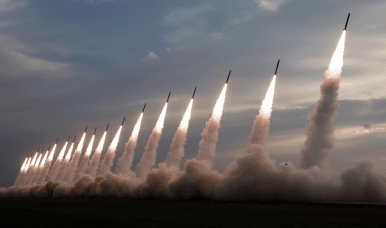
The U.S. has relocated missile systems to Jordan in response to escalating Iran-Israel tensions, signaling increased military preparedness in the Middle East. This strategic move reflects broader geopolitical instability that could influence regional dynamics and potentially impact global markets, including cryptocurrency volatility linked to energy prices and geopolitical risk.
The relocation of U.S. missile systems to Jordan represents a significant escalation in military positioning amid deteriorating Iran-Israel relations. This defensive deployment aims to deter potential Iranian aggression and reassure regional allies, particularly Israel and neighboring Gulf states. The move demonstrates the Pentagon's commitment to maintaining military superiority in the Eastern Mediterranean and Middle East while signaling readiness to respond to any escalation beyond current tensions.
Historically, Middle East military buildups correlate with periods of heightened uncertainty that ripple through global markets. Previous Iran-Israel confrontations have triggered oil price spikes, which indirectly affect cryptocurrency markets through macroeconomic stress and shifts in risk appetite. Geopolitical tensions often drive investors toward alternative assets, including Bitcoin and other cryptocurrencies perceived as hedges against currency devaluation and traditional market volatility.
For cryptocurrency markets specifically, sustained regional instability could pressure traditional equities and bonds, potentially redirecting institutional capital toward digital assets as portfolio diversification tools. Energy price uncertainty—a direct consequence of Middle East military posturing—influences inflation expectations and Federal Reserve policy, both material factors for crypto valuations. Traders should monitor crude oil futures and USD strength as leading indicators for crypto market direction during geopolitical crises.
Looking forward, any military escalation beyond current posturing could trigger significant market repricing across both traditional and digital asset classes. Monitoring Iranian and Israeli government statements, U.S. military deployment timelines, and oil market movements will be critical for anticipating crypto volatility in the coming weeks.
- →U.S. missile deployment to Jordan signals escalating military readiness amid Iran-Israel tensions.
- →Middle East geopolitical instability historically correlates with crude oil price spikes and market volatility.
- →Cryptocurrency markets may benefit from risk-off sentiment and portfolio diversification demand during regional crises.
- →Energy price uncertainty directly impacts inflation expectations and central bank policy affecting crypto valuations.
- →Traders should monitor crude oil futures and USD strength as leading indicators for crypto market direction.