
US Navy uses AI to detect mines, expedite Strait of Hormuz traffic
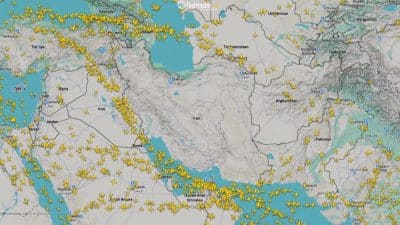
The US Navy has deployed AI-enhanced mine detection technology in the Strait of Hormuz to improve maritime safety and expedite commercial shipping traffic. This development could reduce Iran's ability to leverage chokepoint control as a geopolitical tool, potentially stabilizing global oil trade and reducing energy market volatility.
The US Navy's integration of artificial intelligence into mine detection represents a significant advancement in maritime security technology. By automating the identification of underwater threats, the technology accelerates transit times through one of the world's most critical shipping lanes while reducing human operational risk. The Strait of Hormuz handles approximately 20-30% of global oil trade, making its security directly relevant to energy markets and broader macroeconomic stability.
Historically, Iran has utilized its geographic position to exert geopolitical leverage, with mine-laying incidents creating shipping delays and insurance premium increases that ripple through global energy markets. Previous incidents have triggered oil price spikes and cryptocurrency volatility as investors reassess risk premiums. The deployment of AI mine detection systems fundamentally alters this calculus by reducing Iran's coercive capabilities and increasing the predictability of shipping operations.
For crypto and financial markets, stable energy supplies translate to reduced macro uncertainty and lower inflation expectations, both factors that influence risk asset valuations. The technology strengthens US naval dominance while demonstrating practical applications of AI in critical infrastructure, potentially boosting investor confidence in AI-dependent systems. However, this development also carries geopolitical tension—Iran may perceive it as escalatory, potentially triggering counter-measures that could create short-term volatility in energy and risk assets.
Market participants should monitor whether this technology deployment leads to measurable reductions in Strait of Hormuz transit delays and insurance costs, which would signal successful stabilization of global oil supply chains and support risk-on sentiment across markets.
- →AI mine detection enhances maritime security and reduces Iran's strategic leverage over a critical global shipping chokepoint
- →Stabilized Strait of Hormuz traffic could reduce oil price volatility and support broader market stability
- →Technology demonstrates practical AI application in military and critical infrastructure contexts
- →Geopolitical tensions may persist as Iran responds to expanded US naval capabilities
- →Investors should track shipping delay metrics and energy market volatility as indicators of deployment success