
US Navy limits Hormuz escorts amid Iran tensions, impacting blockade outlook
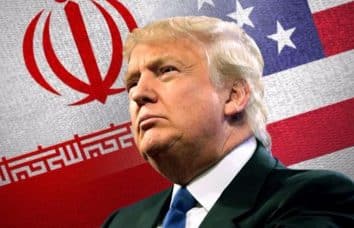
The U.S. Navy is reducing its escort operations in the Strait of Hormuz amid escalating Iran tensions, potentially prolonging regional instability and creating uncertainty for global oil markets and geopolitical relations.
The U.S. Navy's decision to limit escort operations in the Strait of Hormuz reflects a strategic recalibration in response to heightened tensions with Iran. This cautious posture signals Washington's desire to avoid direct military escalation while still maintaining a presence in one of the world's most critical maritime chokepoints. The shift has immediate implications for regional stability, as reduced naval presence may embolden Iranian actors to increase harassment of commercial shipping or pursue more aggressive posturing.
Historically, the Hormuz Strait has been a flashpoint in U.S.-Iran relations, with both nations engaging in provocative actions that have threatened global energy supplies. Previous incidents involving seized tankers and drone confrontations established a pattern of brinkmanship. This latest de-escalation attempt by the U.S. Navy contrasts with more hawkish positions, suggesting a pragmatic approach to avoiding open conflict while managing strategic interests.
Cryptocurrency and energy markets remain sensitive to geopolitical disruptions affecting oil supply chains. If the reduced U.S. naval presence leads to actual shipping disruptions or supply concerns, oil prices could spike, triggering broader market volatility that historically correlates with cryptocurrency volatility. Investors should monitor oil futures and geopolitical risk indicators for signs of escalation.
The coming weeks will be critical. Increased Iranian naval activity, attacks on commercial vessels, or statements from Tehran could force the U.S. to reverse course and increase escort operations, reigniting tensions. Market participants should watch shipping incident reports and official U.S. military statements for signals of whether this de-escalation approach will hold or collapse.
- →U.S. Navy reduces Hormuz escorts amid Iran tensions, risking prolonged regional instability
- →Limited naval presence may embolden Iranian actors and threaten global oil supply routes
- →Oil market disruptions could trigger broader cryptocurrency market volatility
- →Geopolitical risk remains high with potential for rapid policy reversals if incidents escalate
- →Investors should monitor shipping reports and military statements for escalation signals