
US Navy warns of unclear mine threats in Strait of Hormuz
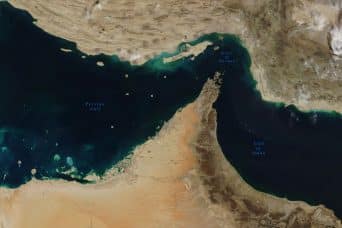
The US Navy issued an advisory regarding unconfirmed mine threats in the Strait of Hormuz, a critical chokepoint for global oil and trade flows. The warning reflects escalating geopolitical tensions that create uncertainty for markets and influence military posture in one of the world's most strategically important waterways.
The US Navy's warning about mine threats in the Strait of Hormuz signals heightened geopolitical risk in a region responsible for roughly 20-30% of global petroleum trade. While the advisory lacks clarity on the precise nature and origin of these threats, the mere issuance of such warnings typically triggers market volatility, particularly in energy commodities and risk-sensitive assets. Cryptocurrency markets, despite claims of independence from traditional finance, demonstrate consistent correlation with macroeconomic uncertainty and commodity price swings, especially during periods of geopolitical stress. Historical precedent shows that maritime security incidents in the Persian Gulf region often precede energy price spikes, which subsequently influence broad-based inflation expectations and central bank policy expectations.
The Strait of Hormuz has been a recurring flashpoint for regional tensions, with previous incidents involving tanker attacks, naval confrontations, and drone strikes creating supply chain disruptions. This latest advisory suggests military and intelligence communities perceive material risk, even if specific threat details remain classified or unclear. For cryptocurrency investors and traders, such geopolitical events typically correlate with increased safe-haven demand, potentially supporting assets like Bitcoin that are perceived as hedges against currency devaluation and policy uncertainty.
The immediate market impact depends on whether tensions escalate further or remain contained. Energy markets will likely price in additional risk premium, influencing inflation expectations and monetary policy trajectories. Traders should monitor shipping insurance premiums, oil futures volatility, and central bank commentary for signals of policy response. Sustained geopolitical friction could drive sustained volatility across risk assets, including cryptocurrencies, while resolution would likely reduce uncertainty premiums.
- →US Navy mine threat advisory in Strait of Hormuz reflects escalating regional tensions affecting critical global trade infrastructure.
- →Geopolitical instability in Persian Gulf typically correlates with energy price increases and broader macroeconomic uncertainty.
- →Cryptocurrency markets historically show correlation with commodity volatility and inflation expectations during geopolitical crises.
- →Shipping insurance costs and oil futures markets will serve as leading indicators of actual threat severity.
- →Sustained tensions could drive safe-haven demand for risk-hedging assets including Bitcoin and other crypto markets.