
US Navy destroyers transit Strait of Hormuz amid Iranian threats
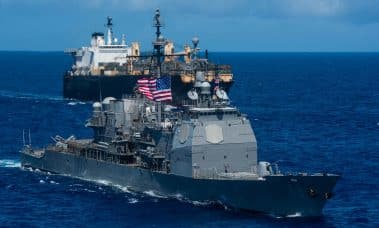
U.S. Navy destroyers transited the Strait of Hormuz amid escalating Iranian threats, underscoring geopolitical instability in a region critical to global oil supply. The military operation highlights growing tensions that could disrupt energy markets and influence cryptocurrency volatility tied to macroeconomic uncertainty.
The U.S. Navy's transit through the Strait of Hormuz represents a deliberate show of force in one of the world's most strategically vital chokepoints, where approximately 21% of global petroleum passes daily. This action occurs against a backdrop of Iranian threats and regional military posturing, signaling that Washington remains committed to maintaining freedom of navigation despite escalating rhetoric. The strait's importance extends far beyond military strategy—it directly impacts energy prices, which serve as leading indicators for macroeconomic health and investor risk appetite.
Regional tensions in the Middle East have intensified periodically over the past decade, including the 2019 tanker attacks and ongoing drone incidents. These recurring flashpoints create cyclical uncertainty that markets must price in, affecting oil futures and downstream energy costs that influence inflation expectations and central bank policy decisions.
For cryptocurrency investors, geopolitical instability traditionally drives capital toward safe-haven assets, though crypto's role as a hedge remains contested. Oil price spikes from supply disruptions could accelerate inflation concerns, potentially affecting interest rate trajectories and altering the risk-reward calculus for both traditional and digital assets. Bitcoin and other cryptocurrencies may experience volatility if markets interpret military escalation as deflationary or stagflationary.
Investors should monitor crude oil prices, shipping insurance premiums, and broader risk-on sentiment indicators as proxies for Strait of Hormuz stability. Any actual disruption to oil shipments would trigger immediate market repricing across equities, commodities, and cryptocurrencies.
- →U.S. Navy operations in the Strait of Hormuz signal sustained geopolitical tension affecting global oil supply stability
- →Disruptions to this critical energy chokepoint could trigger inflation concerns and influence monetary policy expectations
- →Cryptocurrency markets may respond to oil price volatility and broader macroeconomic uncertainty from Middle East tensions
- →Energy price movements serve as leading indicators for investor risk appetite and safe-haven asset demand
- →Ongoing regional instability creates recurring market pressure points requiring continuous monitoring of shipping and commodity markets