
US and Qatar plan to release $6B in frozen Iranian funds for humanitarian aid
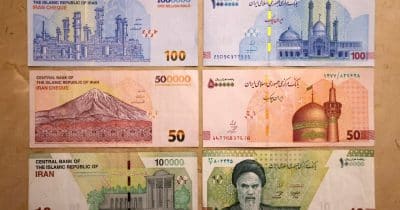
The US and Qatar are coordinating to release $6 billion in frozen Iranian assets designated for humanitarian purposes, operating under strict international oversight mechanisms. This arrangement may establish a framework for how geopolitical adversaries can facilitate controlled financial transfers during periods of tension.
The planned release of $6 billion in frozen Iranian funds represents a nuanced approach to balancing diplomatic and humanitarian objectives amid ongoing US-Iran tensions. Rather than an unconditional asset transfer, the structured arrangement with Qatari intermediation and strict oversight suggests both parties recognize the necessity of humanitarian channels while maintaining security guardrails. This mechanism addresses real suffering on the ground while preventing funds from reaching entities designated as security threats.
Historically, frozen assets have been central to US sanctions regimes against Iran, particularly following the 1979 revolution and subsequent hostage crisis. The current arrangement builds on precedents established during the Joint Comprehensive Plan of Action (JCPOA) negotiations, where similar oversight structures facilitated limited financial flows. Qatar's role as a neutral intermediary reflects its established position as a broker in US-Iran disputes, having previously hosted secret negotiations.
For cryptocurrency and blockchain markets, this development carries indirect implications. The reliance on traditional banking infrastructure and government intermediaries underscores why many nations pursue alternative payment systems and central bank digital currencies to reduce dependence on US-controlled financial rails. The precedent of controlled asset releases under oversight may influence how future sanctions regimes incorporate blockchain-based compliance monitoring.
Investors should monitor whether this arrangement signals potential broader sanctions relief, which could influence oil prices and emerging market dynamics. The success or failure of this humanitarian mechanism may shape future geopolitical negotiations and institutional approaches to sanctions architecture.
- →US and Qatar coordinate $6B Iranian asset release with strict international oversight for humanitarian purposes
- →Arrangement establishes controlled financial transfer model between geopolitical adversaries
- →Qatar's intermediary role reflects its established position in US-Iran diplomatic channels
- →Framework may influence future sanctions design and alternative payment system development
- →Success or failure impacts precedent for humanitarian exceptions within sanctions regimes