
US radar system damage in Middle East may shift alliances toward China
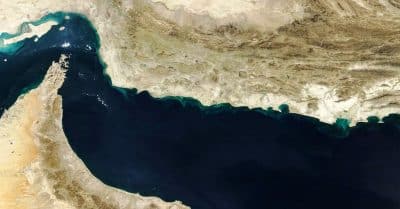
Damage to U.S. radar systems in the Middle East may prompt regional allies to shift toward Chinese influence and technology partnerships. This development could reshape geopolitical alliances and potentially trigger escalated U.S. military responses in the region.
The reported damage to U.S. radar infrastructure in the Middle East represents a significant vulnerability in American military capabilities and intelligence-gathering operations. This incident highlights the physical risks facing advanced defense systems in contested regions and raises questions about the robustness of U.S. technological superiority in strategic areas. When allies perceive weakened U.S. military presence or capability, they often recalibrate partnerships toward alternative powers, particularly China, which has aggressively expanded its regional influence through Belt and Road investments and military partnerships.
This incident reflects broader geopolitical tensions in the Middle East, where multiple powers compete for influence. The region has historically relied on U.S. security guarantees, but repeated military setbacks or perceived weakness creates opportunities for Chinese and Russian advancement. China's non-interventionist approach and willingness to engage economically rather than militarily appeals to nations seeking alternatives to traditional U.S. alliances.
For investors and market participants, escalating U.S.-China competition in critical regions typically increases volatility across multiple asset classes. Defense contractors may see increased funding, while sectors exposed to Middle Eastern instability face headwinds. Cryptocurrency markets often react to geopolitical uncertainty through safe-haven demand or broader risk-off sentiment. The potential for increased U.S. military action raises defense spending questions and could redirect capital away from growth sectors.
Monitoring subsequent diplomatic responses, Chinese initiatives in the region, and any statements from regional allies will clarify whether this incident catalyzes meaningful alliance shifts or remains a localized incident.
- →U.S. radar damage in Middle East signals potential vulnerability in American military infrastructure and intelligence capabilities
- →Regional allies may pursue partnerships with China if they perceive declining U.S. military effectiveness
- →Geopolitical instability typically increases market volatility across defense, commodities, and cryptocurrency sectors
- →Chinese economic and military expansion in the region accelerates if U.S. presence weakens
- →Investors should monitor diplomatic developments and defense spending announcements for market implications