
US government plans to redirect frozen Iranian assets to compensate Gulf allies for war damages
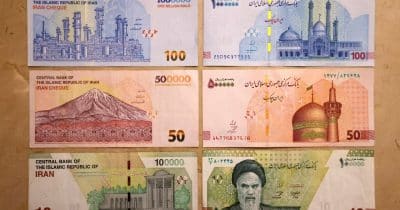
The US government is considering redirecting frozen Iranian assets to compensate Gulf allies for war-related damages, a move that could establish precedent for weaponizing asset seizures in geopolitical disputes. This policy shift has broader implications for global financial systems and how nations manage frozen assets during international conflicts.
The US proposal to redirect frozen Iranian assets toward Gulf ally compensation represents a significant escalation in using financial mechanisms as geopolitical tools. Historically, asset freezes have served as sanctions enforcement, but redirecting them toward third-party compensation crosses into new territory by converting seized assets into de facto reparations mechanisms. This approach signals a shift in how the US views its authority over frozen funds, moving beyond punishment toward active redistribution.
The precedent-setting nature of this action carries substantial implications for global asset management practices. Other nations may interpret this move as justification for similar redirections of frozen assets held within their jurisdictions, potentially destabilizing the international financial system's predictability. Countries holding foreign assets—whether through sanctions, legal disputes, or diplomatic conflicts—could face pressure to redirect these holdings toward geopolitical allies, undermining confidence in asset security.
For cryptocurrency and blockchain markets, this development reinforces concerns about government control over digital assets and cross-border holdings. If traditional financial asset freezes can be redirected without clear legal frameworks, similar logic could apply to digital assets held on regulated exchanges or in government custody. This precedent may accelerate institutional demand for non-custodial solutions and decentralized alternatives that reduce counterparty risk with governments.
Looking ahead, monitoring how international bodies respond will be critical. Legal challenges from Iran, reactions from other nations holding US-frozen assets, and whether other governments adopt similar policies will shape whether this becomes normalized practice or remains an isolated case. The outcome directly impacts investor confidence in asset seizure predictability and could influence crypto adoption as a hedge against asset confiscation.
- →US plan to redirect frozen Iranian assets sets precedent for treating seized funds as compensation tools rather than pure sanctions enforcement
- →Could encourage other nations to similarly redirect frozen assets, destabilizing international financial predictability
- →Raises questions about government control and confiscation risk for institutional and individual asset holders globally
- →May accelerate cryptocurrency adoption as investors seek alternatives to traditional financial systems vulnerable to asset redirection
- →International legal responses and other nations' reactions will determine whether this becomes normalized geopolitical practice