
US government rejects Iran state media report on Hormuz peace deal
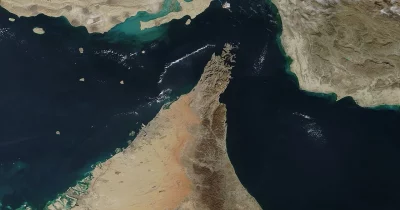
The US government has rejected claims made by Iran's state media regarding a purported peace deal over the Strait of Hormuz, escalating diplomatic tensions in a critical global chokepoint. This rejection intensifies uncertainty over regional stability and fuels continued volatility in energy markets, which directly impacts cryptocurrency and broader financial markets sensitive to geopolitical risk.
The rejection of Iran's Hormuz peace deal claims represents a significant breakdown in diplomatic communications between the US and Iran, two nations whose relations directly influence global energy security. The Strait of Hormuz serves as one of the world's most critical oil shipping routes, with roughly one-third of seaborne traded oil passing through it. When tensions rise between the US and Iran, markets immediately price in supply disruption risks, creating cascading effects across energy futures and macroeconomic indicators that crypto markets monitor closely.
This diplomatic standoff builds on decades of US-Iran tensions, recent nuclear agreement disputes, and sanctions regimes that have created persistent uncertainty in Middle Eastern geopolitics. The rejection of the peace deal report suggests negotiations remain distant, prolonging the risk premium embedded in oil prices and broader risk assets. For cryptocurrency markets, elevated oil prices correlate with inflation expectations and central bank policy responses, both critical factors influencing Bitcoin and altcoin valuations.
Investors face increased volatility across multiple asset classes as the market struggles to price the probability and duration of Hormuz-related disruptions. Energy-sector stocks, oil futures, and defensive assets become more attractive while growth-oriented investments face headwinds. Cryptocurrency traders should monitor crude oil prices as a leading indicator of macroeconomic stress, as spikes often precede broader risk-off sentiment affecting digital assets. The unresolved nature of this conflict means volatility will likely persist until clearer diplomatic signals emerge or alternative security arrangements are established.
- →US rejection of Iran's peace deal report signals continued diplomatic breakdown over Strait of Hormuz control
- →Hormuz tensions directly impact global oil prices, which influence inflation expectations and crypto market sentiment
- →Geopolitical risk premiums in energy markets create cascading volatility across equities, bonds, and digital assets
- →Investors should treat crude oil prices as a leading indicator of macroeconomic stress affecting risk assets
- →Prolonged uncertainty suggests sustained market volatility until clearer diplomatic resolution emerges