
US responds to Iran’s peace proposal via Pakistan, reviewing underway
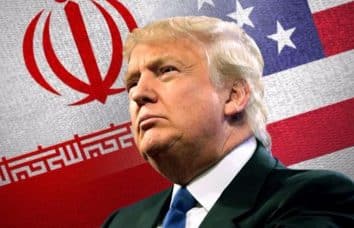
The US is reviewing Iran's peace proposal transmitted through Pakistan, signaling diplomatic engagement that could reduce regional tensions. However, fundamental disagreements between the nations may limit the prospects for substantial progress in negotiations.
The United States' review of Iran's peace proposal represents a significant diplomatic development in a relationship historically characterized by confrontation and sanctions. The use of Pakistan as an intermediary underscores the complexity of US-Iran relations and the need for neutral channels to facilitate dialogue. This engagement carries implications beyond bilateral relations, as regional stability directly influences global energy markets, supply chains, and geopolitical risk premiums that affect asset valuations.
The backdrop of this negotiation includes decades of hostility stemming from the 1979 Iranian revolution, subsequent sanctions regimes, and disagreements over nuclear development, regional proxy conflicts, and strategic influence in the Middle East. Recent years have seen oscillating periods of tension and limited cooperation, with the 2015 JCPOA agreement and its subsequent withdrawal exemplifying the volatility of US-Iran relations. Pakistan's role as mediator reflects its geographic position and diplomatic relationships with both nations.
For cryptocurrency and financial markets, geopolitical de-escalation typically reduces risk-off sentiment and volatility. Lower regional tensions decrease safe-haven demand for assets like gold and reduce uncertainty premiums in energy markets. Conversely, if negotiations stall or tensions escalate, energy prices could spike, increasing inflation concerns and potentially pressuring risk assets including cryptocurrencies.
Investors should monitor the pace and substance of these negotiations. Any breakthrough could stabilize Middle Eastern oil supplies and reduce geopolitical risk premiums across markets. Conversely, diplomatic failure might trigger renewed tensions, sanctions escalation, and increased volatility in energy and financial markets globally.
- →The US is actively reviewing Iran's peace proposal, indicating serious diplomatic engagement through Pakistan as intermediary.
- →Persistent disagreements between nations suggest negotiations may face significant obstacles despite ongoing dialogue.
- →De-escalation of US-Iran tensions would likely reduce geopolitical risk premiums and volatility in global markets.
- →Energy market stability and supply chain security depend partly on the success of these diplomatic efforts.
- →Investors should track negotiation progress as outcomes could materially affect regional stability and asset valuations.