
US blockade cripples Iranian economy despite fragile ceasefire
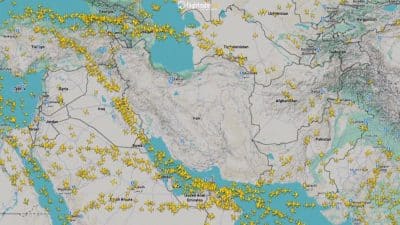
US economic sanctions on Iran are deepening the country's economic crisis despite recent ceasefire negotiations, creating potential risks for regional instability and complicating diplomatic efforts. The blockade restricts Iran's access to international markets and financial systems, limiting economic recovery options.
The intersection of geopolitical conflict and economic sanctions creates significant ripple effects across global markets. US sanctions on Iran represent a continuation of long-standing economic pressure that constrains the nation's ability to participate in international commerce, access foreign currency reserves, and attract legitimate investment. This situation matters because economic desperation can drive unpredictable geopolitical behavior and undermine confidence in negotiated settlements.
Iran's economic isolation has historical roots in nuclear program concerns and regional tensions, but the fragile ceasefire suggests diplomatic pathways remain possible. The timing is critical—weak economies often destabilize regions, and Iran's strategic location makes its stability relevant to energy markets, trade routes, and broader Middle Eastern dynamics. The blockade simultaneously prevents normal economic channels while potentially pushing Iran toward alternative financial systems or informal economies.
Crypto markets and blockchain-based financial systems have become relevant to sanctioned economies seeking alternatives to traditional banking infrastructure. Iran has explored cryptocurrency and decentralized finance as potential workarounds to financial isolation, making this geopolitical situation directly relevant to digital asset adoption patterns. Investors should monitor whether this situation accelerates blockchain adoption in sanctioned regions or triggers regulatory responses from Western nations.
Looking forward, watch for developments in diplomatic negotiations that could ease sanctions, announcements regarding Iran's cryptocurrency strategy, and broader policy responses from the US and international community. The outcome will influence both regional stability and the trajectory of alternative financial technologies in economically isolated regions.
- →US sanctions on Iran create economic desperation that complicates diplomatic resolutions despite recent ceasefire efforts.
- →Economic blockades may accelerate cryptocurrency and blockchain adoption in sanctioned economies seeking financial alternatives.
- →Regional instability from economic crisis poses risks to global energy markets and trade routes.
- →Geopolitical tension and economic sanctions directly influence demand for decentralized financial systems.
- →Future policy decisions on Iran sanctions will impact both regional stability and alternative finance adoption rates.