
US issues new sanctions targeting Hezbollah-linked individuals and entities
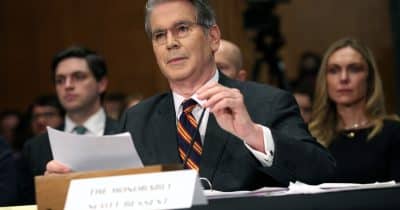
The US has announced new sanctions targeting individuals and entities linked to Hezbollah, a move designed to disrupt illicit financial networks and reduce the organization's political influence in Lebanon. The sanctions carry significant geopolitical implications that could strain US-Lebanon diplomatic relations while signaling an intensified enforcement posture against terrorist-financing channels.
The US sanctions targeting Hezbollah-linked actors represent a continuation of Washington's strategy to counter terrorist financing through financial isolation. These measures aim to disrupt money flows supporting the organization's operations and political activities in Lebanon, where Hezbollah maintains substantial parliamentary representation and social services infrastructure. The timing reflects broader US concerns about regional destabilization and the need to constrain non-state actors operating within sovereign nations.
Hezbollah's financial ecosystem has historically relied on state sponsorship from Iran, remittance networks, and commercial enterprises across the Middle East and beyond. US sanctions typically target specific individuals, companies, and financial institutions facilitating these transactions, creating friction in cross-border payments and banking relationships. The cryptocurrency sector faces scrutiny in this context, as sanctions enforcement increasingly focuses on identifying blockchain-based transaction patterns that might circumvent traditional banking restrictions.
For crypto markets and fintech platforms, these sanctions underscore regulatory pressure to implement robust compliance infrastructure. Exchanges and custodians operating globally must enhance know-your-customer (KYC) and sanctions screening protocols to avoid facilitating transactions involving designated entities. Investors should recognize that geopolitical tensions and expanding sanction regimes create compliance costs for service providers, potentially affecting liquidity and fee structures in certain corridors.
Looking ahead, watch for potential escalation in US-Lebanon relations and whether additional sanctions target cryptocurrency exchanges or blockchain analytics firms suspected of serving sanctioned actors. Regulatory bodies may introduce stricter guidance on monitoring high-risk jurisdictions, particularly those with known terrorist-financing vulnerabilities. Compliance technology providers serving the crypto industry will likely see increased demand for enhanced geographic and entity screening capabilities.
- →US sanctions target Hezbollah-linked networks to disrupt illicit financial flows and reduce political influence in Lebanon.
- →Cryptocurrency platforms face heightened compliance obligations to screen transactions involving sanctioned entities.
- →Geopolitical tensions create operational costs for exchanges implementing enhanced sanctions screening protocols.
- →Compliance technology demand in crypto sector expected to increase as regulatory enforcement intensifies.
- →Investors should monitor US-Lebanon relations and potential expansion of sanctions to crypto service providers.