
Israel halts strikes on Iran at Trump’s request as US seizes $1B in Iranian crypto assets
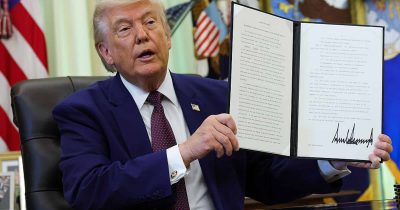
Israel has halted military strikes against Iran following a request from President Trump, while the US simultaneously seized approximately $1 billion in cryptocurrency assets linked to Iranian entities. This development underscores how digital currencies have become critical instruments in geopolitical conflicts and international sanctions enforcement.
The convergence of military de-escalation and cryptocurrency asset seizure reveals a fundamental shift in how nation-states approach sanctions and conflict resolution. The US seizure of $1 billion in Iranian crypto assets demonstrates that digital currencies, despite their decentralized nature, remain vulnerable to government enforcement actions when tied to identifiable entities or exchange infrastructure. This action signals that regulatory agencies have developed sophisticated capabilities to track, identify, and freeze cryptocurrency holdings associated with sanctioned regimes.
Historically, traditional sanctions relied on freezing bank accounts and restricting international payment systems. Iran's turn toward cryptocurrency represented an attempt to circumvent these mechanisms, but the large-scale seizure indicates this strategy has significant limitations. The blockchain's immutable ledger, while providing transparency, also creates a permanent record that authorities can analyze and act upon. This event follows years of increasing US pressure on Iran through OFAC designations and financial restrictions.
For cryptocurrency markets and investors, this seizure carries several implications. It reinforces regulatory jurisdiction over digital assets and demonstrates that even decentralized technologies cannot fully shield assets from government intervention. Investors in regions under sanctions face heightened risks, while legitimate market participants may see increased compliance requirements and scrutiny. The incident also highlights how geopolitical tensions directly influence crypto market volatility and regulatory approaches.
Looking forward, this event may accelerate the development of privacy-focused cryptocurrencies and decentralized solutions while simultaneously prompting stronger government coordination on crypto enforcement. The $1 billion figure suggests Iranian holdings were substantial enough to warrant dedicated enforcement efforts, indicating that state-level crypto adoption for sanctions evasion remains a priority concern for US policymakers.
- →The US seized $1 billion in Iranian cryptocurrency assets, demonstrating enhanced government capabilities to track and freeze digital currency holdings.
- →Israel's halt of military strikes at Trump's request reduces immediate regional tensions but doesn't address underlying geopolitical conflicts.
- →Cryptocurrency's immutable blockchain creates compliance risks for sanctioned entities despite earlier assumptions about decentralized currency evasion.
- →Regulatory agencies now treat large-scale crypto seizures as standard sanctions enforcement tools, signaling shifting attitudes toward digital asset jurisdiction.
- →State-level reliance on cryptocurrency to circumvent sanctions faces significant technical and legal obstacles as government coordination improves.