
Trump warns Iran of military action if it fails to act reasonably, as US seizes $1B in Iranian crypto assets
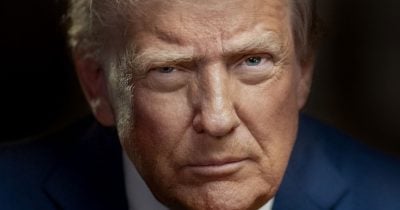
The US has seized $1 billion in Iranian cryptocurrency assets while President Trump warns Iran of potential military action if it doesn't behave reasonably. This geopolitical escalation threatens to destabilize global markets, particularly energy supplies and cryptocurrency investments tied to international sanctions and cross-border asset flows.
The US seizure of $1 billion in Iranian crypto assets represents a significant escalation in both geopolitical tensions and regulatory enforcement against state-level cryptocurrency holdings. This action demonstrates how digital assets have become legitimate targets in international sanctions regimes, shifting the traditional battlefield from physical currency reserves to decentralized blockchain networks. Iran has previously used cryptocurrency to circumvent traditional financial sanctions, making this seizure a direct challenge to alternative financial infrastructure.
The cryptocurrency market's relationship with geopolitical risk has evolved substantially. Historically, political instability drove investors toward crypto as a hedge against currency devaluation and financial restrictions. However, improved US enforcement capabilities and international cooperation on blockchain tracking have made crypto a less effective sanctions-evasion tool for state actors. This dynamic fundamentally alters the risk calculus for both institutional and retail investors holding digital assets.
Market implications extend beyond Iran-focused investments. Energy markets face potential disruption if military action occurs, which historically correlates with crypto volatility as investors reassess macro risks. Major cryptocurrencies often spike during geopolitical crises as safe-haven capital, but sustained tension can trigger liquidations if traditional markets suffer severe downturns. Developers and platforms facilitating Iran-related transactions face heightened compliance scrutiny, while broader discussions about crypto's role in sanctions evasion may accelerate regulatory frameworks globally.
Investors should monitor escalation indicators and energy price movements as leading signals for crypto volatility. The incident also underscores regulatory risk for platforms operating in ambiguous jurisdictions, potentially driving consolidation toward more compliant, centralized exchanges.
- →US seized $1B in Iranian crypto assets, demonstrating enhanced blockchain surveillance and enforcement capabilities against state actors
- →Geopolitical military threats create macro uncertainty that typically drives cryptocurrency volatility and safe-haven capital flows
- →Crypto's utility as a sanctions-evasion tool diminishes as enforcement improves, reducing a historical demand driver
- →Energy market disruption from potential military conflict would cascade into broader financial market instability affecting crypto valuations
- →Increased regulatory scrutiny on Iran-related transactions may accelerate compliance frameworks and centralize crypto market infrastructure