
US seizes Iranian ship near Strait of Hormuz, tightening blockade enforcement
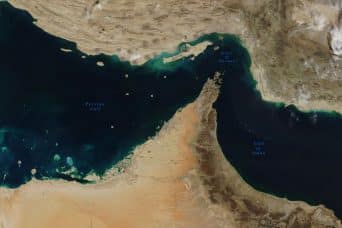
The US seized an Iranian ship near the Strait of Hormuz as part of escalated blockade enforcement operations. This action intensifies geopolitical tensions in a critical global oil transit chokepoint, creating uncertainty for energy markets and potentially affecting cryptocurrency volatility linked to macro economic conditions.
The seizure of an Iranian vessel represents a significant escalation in US enforcement actions within one of the world's most strategically important maritime corridors. The Strait of Hormuz handles approximately 20-30% of global oil transit, making any disruption to shipping lanes a matter of international concern. This action signals hardened US policy enforcement against Iranian maritime activities and demonstrates willingness to physically intercept vessels in contested waters.
Historically, tensions in the Strait of Hormuz stem from decades of US-Iran sanctions regimes and naval posturing. Previous incidents have included tanker seizures, drone downings, and mining operations. The current action fits an established pattern of tightened enforcement, suggesting sustained pressure rather than isolated incident. Regional actors including Saudi Arabia, UAE, and Iraq face heightened operational uncertainty in their primary export routes.
For cryptocurrency and broader financial markets, Strait of Hormuz disruptions create ripple effects through energy price volatility. Oil price spikes directly impact inflation expectations, central bank policy trajectories, and risk-asset valuations including crypto holdings. Investors exposed to macro volatility strategies or energy-linked assets face renewed uncertainty. Bitcoin and other assets historically react to geopolitical premium incorporation into commodity markets, creating secondary trading opportunities during periods of heightened tension.
Market participants should monitor escalation signals including additional seizures, Iranian counter-operations, or shipping insurance premium spikes. These indicators often precede larger market moves and provide early warning for position adjustments.
- →US seizure of Iranian ship escalates enforcement in critical Strait of Hormuz oil transit corridor affecting 20-30% of global supply.
- →Geopolitical tensions increase uncertainty for energy prices, creating indirect volatility for macro-correlated crypto assets.
- →Regional standoff risk prolongs shipping route disruptions and elevates insurance costs for maritime transit.
- →Oil price volatility from Strait tensions influences inflation expectations and central bank policy affecting broader asset markets.
- →Market participants should watch for additional seizures or Iranian counter-operations as escalation signals.