
US transfers Iranian ship Tuska to Pakistan amid Hormuz blockade talks
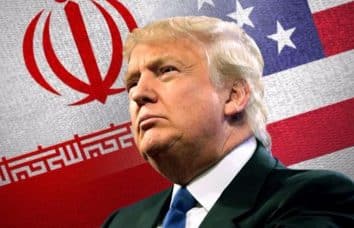
The US has transferred the Iranian ship Tuska to Pakistan as diplomatic negotiations regarding potential Hormuz Strait blockades continue. The move signals a potential shift toward diplomatic resolution that could ease regional tensions and influence global oil market dynamics.
The transfer of the Iranian vessel Tuska to Pakistan represents a significant diplomatic maneuver in an increasingly tense Middle Eastern geopolitical landscape. This action occurs amid ongoing negotiations about potential blockades of the Strait of Hormuz, a critical chokepoint through which approximately 20% of global oil passes daily. The decision to involve Pakistan suggests the US is pursuing multilateral diplomatic channels rather than unilateral confrontation, potentially indicating a strategic pivot in regional policy.
Historically, tensions in the Hormuz Strait have driven oil price volatility and broader market uncertainty. Previous Iranian threats to blockade the strait have triggered commodity market fluctuations and investor risk reassessment. The current diplomatic engagement, evidenced by ship transfers and negotiation discussions, contrasts sharply with more confrontational approaches seen in recent years.
For cryptocurrency and blockchain markets, geopolitical stability in oil-producing regions carries indirect but meaningful implications. Oil price volatility traditionally correlates with broader macroeconomic uncertainty, which impacts risk asset allocation including cryptocurrencies. A successful diplomatic resolution in the Hormuz dispute could stabilize global energy markets, reduce economic uncertainty, and potentially strengthen risk appetite across alternative assets.
Investors should monitor ongoing negotiations and any announcements regarding blockade threats or resolutions. Sustained diplomatic progress would likely reduce oil price volatility and associated market uncertainty. Conversely, escalation of tensions could trigger flight-to-safety behavior affecting crypto markets alongside traditional commodities.
- →US-Pakistan ship transfer suggests diplomatic approach rather than military escalation in Hormuz tensions
- →Hormuz Strait blockade threats directly impact global oil prices, which influence broader economic sentiment
- →Reduced geopolitical uncertainty typically supports risk asset markets including cryptocurrencies
- →Oil market stability remains critical for macroeconomic conditions affecting crypto investor behavior
- →Ongoing negotiations indicate potential for sustained regional de-escalation if diplomatic progress continues