
US maintains hardline stance on Strait of Hormuz amid Iran tensions
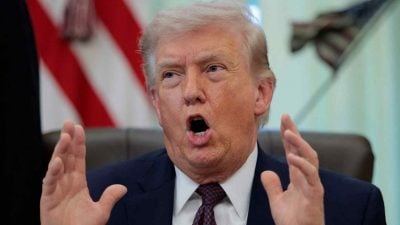
The US maintains a hardline stance on the Strait of Hormuz amid escalating Iran tensions, risking prolonged geopolitical instability. This posture threatens global oil trade routes and diplomatic negotiations, with potential ripple effects across energy markets and broader economic stability.
The US hardline position on the Strait of Hormuz represents a critical geopolitical flashpoint with significant macroeconomic implications. The Strait serves as a chokepoint for approximately 21% of global petroleum trade, making any disruption a systemic risk to energy markets worldwide. The maintenance of this uncompromising stance suggests the US prioritizes strategic leverage over diplomatic de-escalation, potentially extending the timeline for resolution.
Historically, tensions in the Persian Gulf have directly correlated with oil price volatility and broader market uncertainty. Previous incidents—including the 2019 tanker attacks and 2020 drone strike—triggered immediate crude oil spikes. The current dynamic reflects deeper structural tensions between US regional strategy and Iranian countermeasures, with neither side showing signs of meaningful concessions.
For cryptocurrency and digital asset markets, geopolitical crises traditionally drive flight-to-safety dynamics. Oil price spikes typically compress liquidity, increase capital allocation toward traditional commodities, and reduce risk appetite for volatile assets. Prolonged Strait tensions could sustain elevated energy costs, creating inflation pressures that influence central bank policy and cryptocurrency valuations inversely. Investors holding long positions face headwinds if oil prices remain elevated and macro uncertainty persists.
Moving forward, market participants should monitor shipping disruption reports, Iranian response escalation, and US diplomatic statements for signals of de-escalation or further deterioration. Any actual blockade or military incident would trigger sharp volatility across all risk assets.
- →The Strait of Hormuz handles 21% of global oil trade, making tensions a systemic economic risk
- →US hardline positioning suggests extended geopolitical uncertainty rather than near-term resolution
- →Oil price spikes from regional instability typically reduce risk appetite for cryptocurrencies
- →Prolonged tensions may sustain inflation pressures affecting monetary policy and asset valuations
- →Military escalation or shipping disruptions would trigger broad market volatility across asset classes