
US launches second wave targeting Iran’s air defense systems
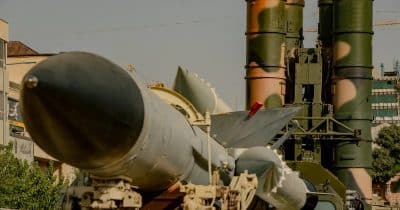
The US has launched a second wave of military strikes targeting Iran's air defense systems as part of an ongoing air campaign. The strategic approach appears designed to degrade Iran's military capabilities while avoiding immediate regime destabilization.
The escalation of military operations against Iran's air defense infrastructure represents a significant geopolitical development with potential macroeconomic ramifications. This second wave of strikes suggests a sustained commitment to neutralizing Iran's defensive capabilities, which historically precedes broader military intervention or serves as a deterrent against regional aggression. The measured approach—focusing on military assets rather than civilian infrastructure or government installations—indicates strategic calculation aimed at limiting collateral damage and international blowback.
Historically, military tensions in the Middle East have created commodity price volatility, particularly in oil markets. Iran's geographic position as a critical chokepoint for global energy supplies means that escalating conflict risks disrupting crude oil flows and triggering energy price spikes. Previous sanctions regimes and military actions against Iran have demonstrated this mechanism clearly. The cryptocurrency market often responds to broader macroeconomic uncertainty by experiencing both flight-to-safety dynamics (benefiting Bitcoin as digital gold) and risk-off selling depending on market sentiment and perceived systemic risk.
For crypto investors and traders, this development warrants attention to oil futures and broader risk sentiment indicators. Energy price inflation historically pressures central banks and constrains monetary policy accommodation, which indirectly affects digital asset valuations. Additionally, if military escalation triggers secondary sanctions or supply chain disruptions, emerging market currencies and risk assets could face selling pressure.
Monitoring developments requires tracking both military escalation signals and oil price responses. The distinction between targeted military strikes and broader regime-change operations remains crucial—the former creates temporary volatility while the latter could trigger sustained macroeconomic instability affecting asset allocation decisions.
- →Second wave of US strikes targets Iran's air defenses with apparent focus on military degradation without regime change
- →Middle Eastern military escalation historically creates oil price volatility affecting broader macroeconomic conditions
- →Cryptocurrency markets respond to geopolitical uncertainty through both risk-on and risk-off dynamics depending on escalation severity
- →Energy price inflation from regional conflict constrains monetary policy and indirectly pressures digital asset valuations
- →Investors should monitor oil futures and risk sentiment indicators as leading indicators of market impact