
US launches new wave of strikes on Iran as crypto markets brace for impact
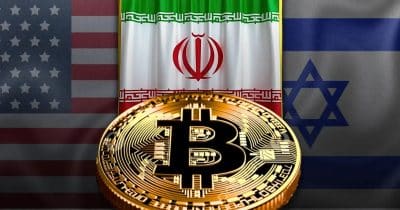
Escalating US-Iran military tensions are creating renewed concerns about geopolitical instability affecting global financial markets, including cryptocurrency assets. The conflict highlights how external geopolitical shocks can introduce significant volatility into crypto markets, which investors and traders are actively monitoring for potential price movements.
Geopolitical conflicts have historically triggered flight-to-safety behaviors in financial markets, and cryptocurrency markets are increasingly integrated into broader macroeconomic dynamics. When military tensions spike between major powers, investors typically reassess risk exposure across all asset classes, including digital assets. The US-Iran relationship remains a key flashpoint in global stability, and military escalation creates uncertainty that can ripple through markets unpredictably.
Crypto's sensitivity to geopolitical shocks differs from traditional assets. While gold and bonds typically benefit from geopolitical crises as safe-haven assets, cryptocurrency markets remain less established in this role. Bitcoin and other digital assets have shown both risk-on and risk-off characteristics depending on broader market conditions and sentiment. Some investors view crypto as a hedge against currency debasement and government instability, while others treat it as a risk asset prone to liquidation during market stress.
The escalation presents a dual impact on crypto markets. Short-term volatility likely increases as investors reduce leverage and reassess portfolio allocations. Energy prices, particularly oil, may spike if Middle Eastern tensions worsen, affecting global economic outlook and risk sentiment. Longer-term implications depend on whether the conflict remains localized or expands, potentially triggering broader economic sanctions or supply chain disruptions.
Market participants should monitor several indicators: oil price movements, risk-on/risk-off sentiment in equities, major currency fluctuations, and changes in crypto funding rates that signal leverage adjustments. The interconnectedness of global markets means geopolitical shocks increasingly transmit across asset classes, requiring investors to maintain diversified strategies that account for elevated tail risks.
- →US-Iran military escalation introduces geopolitical uncertainty that affects crypto market volatility and broader macroeconomic risk sentiment.
- →Cryptocurrency markets show inconsistent safe-haven characteristics compared to traditional assets like gold during geopolitical crises.
- →Oil price movements resulting from Middle East tensions can impact global economic outlook and influence crypto investor sentiment.
- →Leverage adjustments and funding rate changes in crypto markets reflect real-time risk reassessment during geopolitical events.
- →Extended conflicts could trigger international sanctions or supply chain disruptions with cascading effects across all financial markets.