
US confirms strikes inside Iran amid heightened military tensions
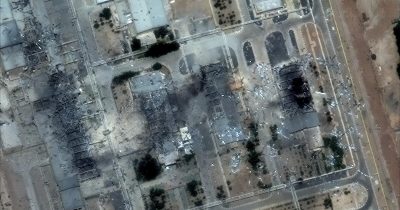
The US has confirmed military strikes inside Iran, escalating regional tensions and reducing the likelihood of diplomatic resolution. This geopolitical development increases uncertainty across global markets, including cryptocurrency assets that are sensitive to macroeconomic instability and risk-off sentiment.
The US confirmation of strikes within Iranian territory represents a significant escalation in Middle Eastern tensions that extends beyond traditional geopolitical concerns into financial market territory. Military conflicts in strategically important regions historically trigger broader macroeconomic volatility, affecting asset allocation decisions across all classes, including cryptocurrencies that serve as alternative stores of value during periods of geopolitical uncertainty.
This situation emerges from an ongoing pattern of US-Iran military tensions that has periodically intensified over the past several years. Regional conflicts in the Middle East traditionally disrupt energy markets, affect international trade, and create unpredictable policy responses from major global powers. These dynamics feed into broader macroeconomic conditions that influence risk appetite in financial markets.
For cryptocurrency markets and investors, geopolitical crises typically produce mixed effects. Initial responses often include risk-off sentiment that pressures speculative assets, though some investors view Bitcoin and other cryptocurrencies as hedges against geopolitical uncertainty and currency debasement from military spending. Oil price volatility stemming from Middle Eastern tensions can indirectly impact crypto through its effect on overall inflation expectations and central bank policy responses.
Market participants should monitor escalation timelines and potential policy responses, including sanctions regimes or military interventions that could reshape global financial conditions. The duration and intensity of this conflict cycle will determine whether cryptocurrency markets experience sustained flight-to-safety dynamics or recover as tensions stabilize. Watch for secondary impacts on energy prices, US Treasury yields, and dollar strength—all indicators that historically influence crypto valuations during crisis periods.
- →US military strikes in Iran confirm heightened regional tensions with potential macroeconomic spillover effects.
- →Geopolitical conflicts typically increase volatility across financial markets, including cryptocurrencies sensitive to risk-off conditions.
- →Energy market disruptions from Middle Eastern instability can indirectly influence inflation expectations and monetary policy.
- →Cryptocurrency may experience initial selling pressure from risk-aversion but could benefit as a crisis-hedge alternative asset.
- →Market participants should monitor escalation trajectories and policy responses that could reshape global financial stability.