
US strikes Iranian military sites, escalating tensions in Strait of Hormuz
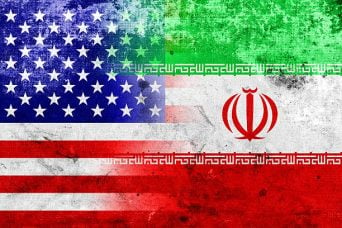
The US has conducted military strikes against Iranian military sites, escalating tensions in the Strait of Hormuz and threatening critical global shipping routes. This geopolitical escalation creates instability risks that could disrupt international commerce and potentially impact cryptocurrency and financial markets through broader economic uncertainty.
The US military action against Iranian targets represents a significant escalation in Middle Eastern tensions, with direct implications for global trade infrastructure. The Strait of Hormuz serves as a critical chokepoint for approximately 20% of global oil exports, making any disruption to regional stability a matter of international economic concern. The strikes signal a hardening of US-Iran relations and increase the probability of further military exchanges or retaliatory actions.
This conflict builds on decades of US-Iran tensions, periodic sanctions cycles, and proxy warfare in the region. Recent years have seen waves of sanctions against Iran, drone incidents, and naval confrontations that have created an unstable equilibrium. The current escalation breaks that pattern and introduces acute rather than chronic risk.
For cryptocurrency and digital asset markets, geopolitical crises typically trigger flight-to-safety behaviors. Investors may rotate capital toward safe-haven assets including Bitcoin, traditionally viewed as uncorrelated to conventional markets, or toward stablecoins for liquidity management. However, broader market volatility could suppress risk appetite across all asset classes. Oil price spikes resulting from supply chain concerns would increase inflation expectations and potentially strengthen the case for Bitcoin as an inflation hedge, though near-term volatility is more likely than directional conviction.
Market participants should monitor escalation indicators including military communications, Iranian statements, oil futures prices, and US policy announcements. Secondary effects on emerging market currencies and commodity prices may create trading opportunities for sophisticated investors, while retail participants face elevated uncertainty that typically requires defensive positioning until tensions clarify.
- →US strikes on Iranian military sites risk destabilizing the Strait of Hormuz, a critical global shipping route handling 20% of world oil exports.
- →Geopolitical escalation typically triggers flight-to-safety behaviors in cryptocurrency markets, potentially benefiting Bitcoin and stablecoins.
- →Oil price volatility from supply chain disruptions could strengthen inflation narratives and alter crypto market dynamics.
- →Regional instability increases probability of further military exchanges and retaliatory actions in coming weeks.
- →Investors should monitor oil futures, Iranian policy responses, and broader market volatility indicators for trading signals.