
U.S. Treasury Sanctions Iran’s Largest Crypto Exchange in Sweeping Economic Warfare Push
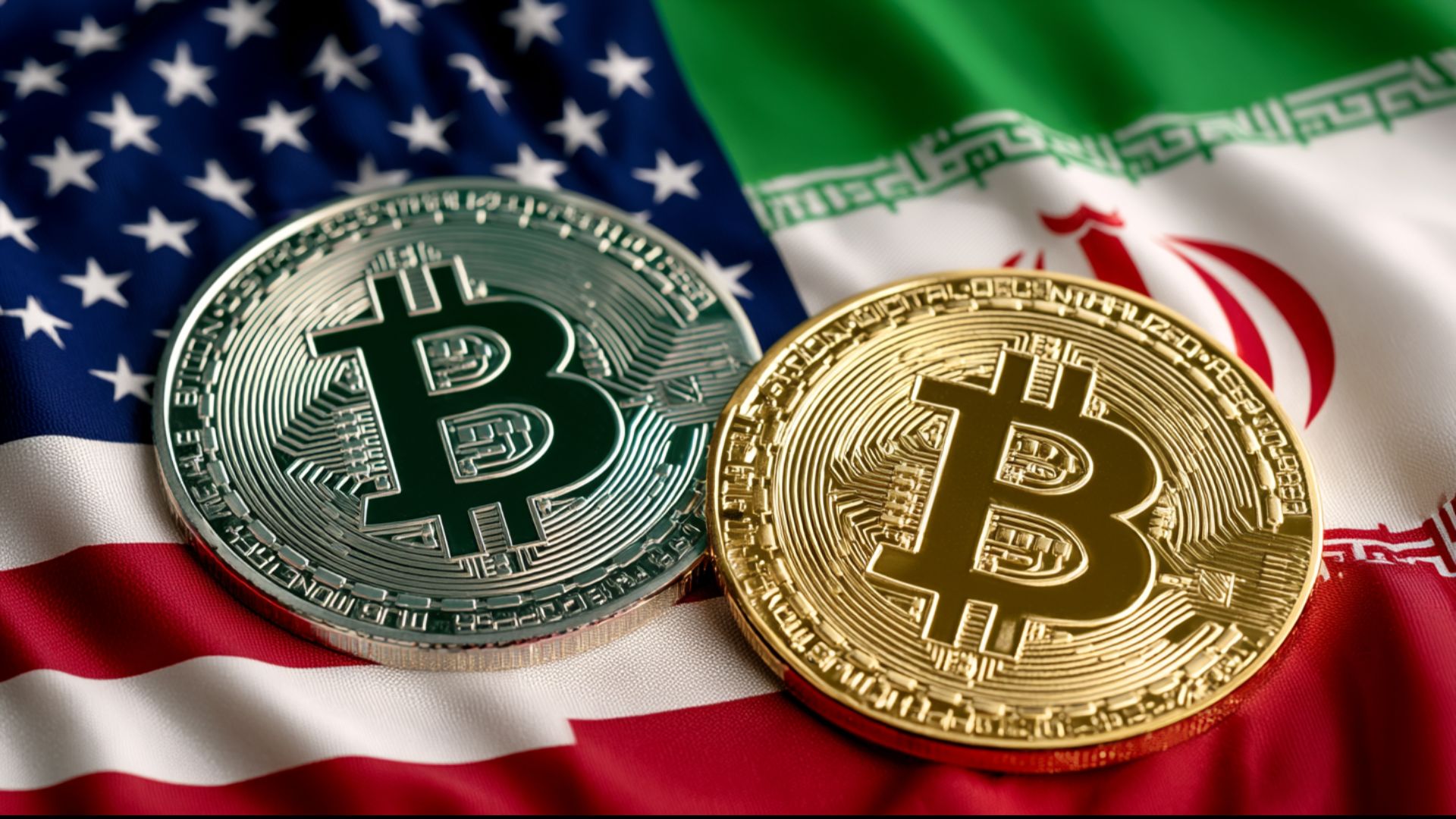
The U.S. Treasury designated Iran's largest cryptocurrency exchange Nobitex and three other Iranian crypto platforms under counterterrorism and financial-sector authorities. This action targets key executives and aims to disrupt Iran's digital asset infrastructure and sanction-evasion capabilities.
The U.S. Treasury's designation of Nobitex and three additional Iranian crypto platforms represents a significant escalation in financial sanctions enforcement targeting Iran's digital economy. By invoking both counterterrorism and financial-sector authorities, the Treasury signals that cryptocurrency exchanges are now primary targets in broader geopolitical economic strategies. The inclusion of executive-level designations suggests authorities view these platforms as sophisticated instruments for circumventing existing OFAC sanctions rather than legitimate financial infrastructure.
This action emerges from a multi-year trend of increased regulatory scrutiny on cryptocurrency's role in sanctions evasion. Iran has historically leveraged digital assets to access global financial systems and preserve capital amid comprehensive U.S. sanctions regimes. The targeting of Nobitex specifically—as the nation's largest exchange—indicates intelligence suggesting material sanctions-evasion flows through this venue. Prior designations of Russian crypto platforms during 2022-2023 established precedent for this enforcement approach.
The sanctions create immediate operational challenges for Iranian users and broader implications for global crypto infrastructure. Exchanges holding Iranian assets face compliance pressure, while peer-to-peer and decentralized platforms become more attractive to affected users. For Western investors and platforms, the designation clarifies regulatory expectations around geographic compliance and customer vetting.
International crypto exchanges must now reassess exposure to Iranian users and entities. Regulators in allied nations likely follow similar enforcement trajectories. The action demonstrates that cryptocurrency's borderless characteristics do not shield platforms from traditional sanctions regimes—particularly when authorities establish designations linking activity to counterterrorism priorities.
- →U.S. Treasury designated Nobitex and three Iranian crypto exchanges under counterterrorism and financial authorities
- →Executive-level sanctions signal the Treasury views crypto platforms as primary tools for sanctions evasion
- →Global exchanges face compliance pressure to exclude Iranian users and monitor for sanctions-violation patterns
- →Decentralized finance and peer-to-peer platforms may absorb displaced users from sanctioned exchanges
- →The action establishes regulatory precedent linking cryptocurrency platforms to geopolitical enforcement strategies