
US Homeland Security chief defends visa denials as World Cup begins
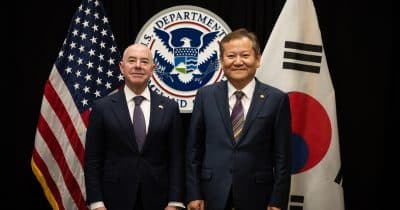
US Homeland Security officials defended visa denial decisions as the World Cup begins, creating friction between national security protocols and international sports diplomacy. The incident reflects broader tensions between immigration enforcement and global engagement, potentially affecting perceptions of US participation in international events.
The visa denial controversy during the World Cup underscores the ongoing friction between security-first governance and diplomatic necessity in international affairs. When host countries or participating nations enforce strict visa policies, they inevitably impact attendance, team logistics, and the overall spectacle of global sporting events. The Homeland Security chief's defense suggests these denials stem from security screenings rather than arbitrary decisions, yet the public relations damage remains significant.
Historically, major sporting events have served as diplomatic showcases where nations balance security concerns with soft power objectives. The World Cup, as one of the world's largest sporting gatherings, typically involves complex visa coordination between dozens of countries. When US officials deny visas to participants or attendees, it signals prioritization of security vetting over traditional diplomatic accommodations for international events.
For the broader business and technology ecosystem, including crypto and fintech sectors, such policies matter because international conferences and events are crucial networking and funding venues. Visa restrictions can fragment global participation in major events, affecting cross-border capital flows and international collaboration. Teams, investors, and participants from affected regions may seek alternative venues or platforms, potentially shifting economic activity away from US-hosted events.
Moving forward, watch whether other nations reciprocate with similar policies or whether diplomatic channels negotiate expedited visa processing for verified international participants. The incident may accelerate interest in decentralized or hybrid event formats that reduce dependence on specific jurisdictions.
- →Visa denials at the World Cup highlight tension between US security enforcement and international sports diplomacy.
- →Security-first policies can reduce US soft power and influence in global affairs despite legitimate security rationales.
- →International event restrictions may push participants and capital toward alternative venues and decentralized platforms.
- →Diplomatic coordination between nations on visa policy for major events remains contentious and evolving.
- →The incident demonstrates how domestic security policies have downstream effects on international economic participation.