
US deploys over 20 warships to enforce blockade against Iran
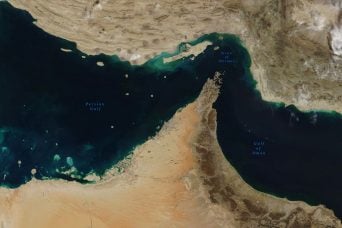
The U.S. has deployed over 20 warships to the Strait of Hormuz to enforce a blockade against Iran, escalating military tensions in a critical global shipping chokepoint. This geopolitical escalation threatens regional stability and could disrupt oil markets, with potential ripple effects across energy prices and broader macroeconomic conditions that influence cryptocurrency and asset markets.
The deployment of over 20 U.S. warships to enforce a blockade against Iran represents a significant escalation in military posturing within the Strait of Hormuz, one of the world's most strategically critical waterways. Through this chokepoint flows roughly one-third of global maritime oil trade, making any disruption a matter of international concern. The heightened military presence signals hardened U.S. policy toward Iran and raises the probability of unintended escalation or direct conflict.
This escalation follows a broader pattern of U.S.-Iran tensions that have intensified over the past several years, particularly following the withdrawal from the JCPOA nuclear agreement and subsequent reimposition of sanctions. The blockade enforcement represents a shift toward more aggressive containment strategies, reflecting deteriorating diplomatic channels and heightened regional instability across the Middle East.
From a market perspective, oil price volatility represents the primary transmission mechanism to cryptocurrency and broader financial markets. Sustained disruptions to Persian Gulf oil flows would drive energy prices higher, increasing inflation pressures and potentially prompting central banks to maintain restrictive monetary policies longer than anticipated. Higher energy costs also create macroeconomic headwinds that typically suppress risk asset valuations, including cryptocurrencies. Investors should monitor crude oil futures closely as a leading indicator of broader market stress.
Looking forward, the critical variable is whether military escalation remains contained to posturing or escalates into kinetic conflict. Any direct military engagement would likely trigger significant oil price spikes and broad-based risk-off sentiment across equities, commodities, and digital assets. Diplomatic channels and de-escalation efforts will determine whether this deployment becomes a temporary show of force or the precursor to regional conflict.
- →U.S. deployment of 20+ warships to the Strait of Hormuz escalates military tensions with Iran and risks disrupting global oil supplies.
- →The Strait of Hormuz handles approximately one-third of global maritime oil trade, making blockade disruptions a systemic economic risk.
- →Oil price volatility resulting from geopolitical escalation directly impacts inflation expectations and central bank monetary policy decisions.
- →Sustained energy price increases create macroeconomic headwinds that typically suppress valuations across risk assets, including cryptocurrencies.
- →Monitoring crude oil futures and regional diplomatic developments serves as critical early warning for broader market stress and asset volatility.