
Team USA’s goalkeeper passed on Manchester United, the club that helped shape David Beckham’s career, for Harvard—and has zero regrets
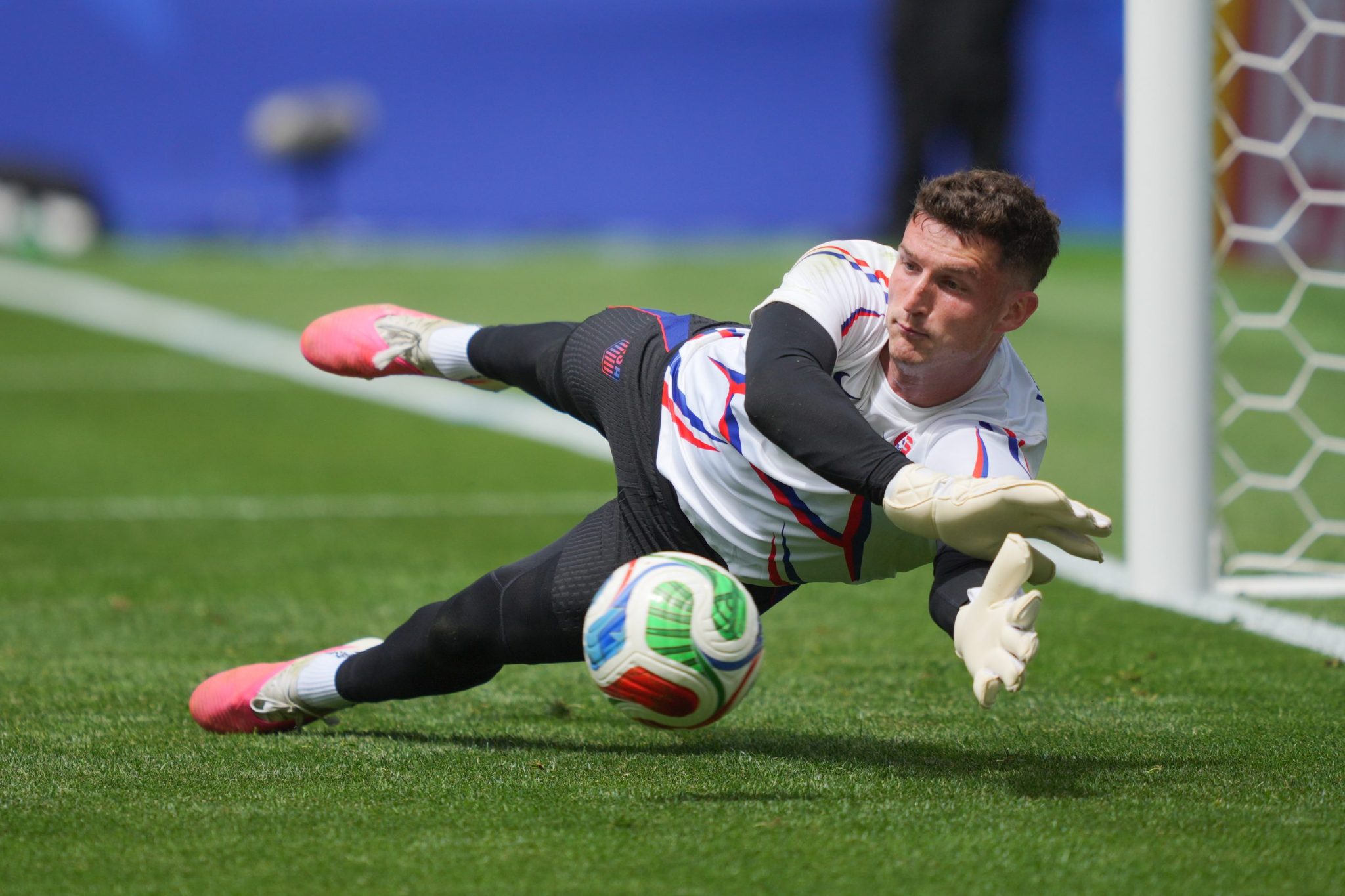
Team USA goalkeeper Matt Freese declined an offer from Manchester United to attend Harvard University instead, choosing an unconventional educational path over a traditional elite soccer career. Freese credits his Harvard education as a strategic advantage in his goalkeeping development, suggesting that academic rigor and alternative training environments can compete with traditional club development systems.
Matt Freese's decision to attend Harvard over Manchester United represents a notable divergence from conventional elite athlete career trajectories. Historically, talented young soccer players have viewed offers from prestigious clubs like Manchester United as once-in-a-lifetime opportunities, with the club's track record of developing world-class players like David Beckham serving as a powerful draw. Freese's choice challenges this assumption by prioritizing higher education alongside athletic development.
This decision reflects a broader shift in how elite athletes evaluate career pathways. Rather than viewing professional club systems and academic institutions as mutually exclusive, a growing number of athletes recognize that combining rigorous education with competitive sport can provide strategic advantages. Freese explicitly frames his Harvard experience as a "secret weapon" in his goalkeeping arsenal, suggesting that intellectual development, structured academic environments, and the holistic college experience contribute measurably to athletic performance.
The significance of Freese's trajectory extends beyond individual achievement. It signals to younger athletes that alternative pathways to elite performance exist and may offer competitive differentiation. Universities increasingly invest in athletic facilities and coaching while maintaining academic standards, creating genuine alternatives to traditional professional academy systems. For soccer specifically, this validates the NCAA and college soccer model as a legitimate competitive development environment rather than merely a consolation prize for those rejected by elite clubs.
Looking forward, Freese's success at both Harvard and with Team USA could influence recruitment patterns and athlete decision-making. If Freese's professional career trajectory matches or exceeds typical Manchester United academy graduates, it would provide concrete evidence that unconventional paths can yield elite outcomes, potentially reshaping how young talent evaluates opportunities.
- →Freese rejected Manchester United to pursue education at Harvard, prioritizing intellectual development alongside athletic training.
- →His choice reflects a broader trend of elite athletes viewing higher education as complementary to rather than competing with professional athletic development.
- →Freese attributes his goalkeeping success partly to the unconventional path and holistic development provided by Harvard.
- →The decision validates university athletic programs as legitimate alternatives to traditional professional academy systems for elite player development.
- →Success on this pathway could influence recruitment patterns and encourage other talented athletes to consider educational institutions alongside professional clubs.