
USS Ford returns to Middle East amid stalled Iran nuclear talks
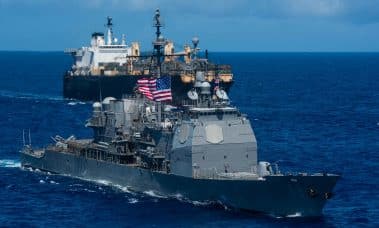
The USS Ford carrier strike group has returned to the Middle East as diplomatic negotiations between the US and Iran over the nuclear deal remain stalled. The deployment underscores escalating regional tensions and military posturing amid frozen negotiations, potentially affecting geopolitical stability and energy markets that influence cryptocurrency volatility.
The USS Ford's return to Middle Eastern waters represents a significant escalation in military positioning during a critical period of diplomatic stalemate. The carrier strike group's deployment signals US commitment to regional security assurances while simultaneously reflecting the breakdown in constructive dialogue with Iran over nuclear compliance and sanctions relief. This military presence typically precedes heightened tensions, increased rhetoric, and potential flashpoints that historically destabilize global markets.
The broader context involves years of deteriorating US-Iran relations following the 2018 US withdrawal from the Joint Comprehensive Plan of Action (JCPOA). Subsequent sanctions have crippled Iran's economy and reduced oil production capacity. Recent attempts to revive negotiations have foundered over compliance verification mechanisms and sanctions sequencing, leaving both parties in a cycle of mutual distrust and coercive posturing. The carrier deployment represents a tangible response to this diplomatic impasse.
For cryptocurrency and financial markets, geopolitical instability in oil-producing regions historically triggers flight-to-safety dynamics. Rising Middle East tensions typically increase crude oil prices, inflation expectations, and safe-haven asset demand—factors that inversely correlate with risk assets including cryptocurrencies during initial shock phases. However, prolonged uncertainty can eventually drive capital toward decentralized financial systems and digital assets perceived as geopolitically neutral.
Market participants should monitor escalation indicators including military posturing, sanctions announcements, and diplomatic statements. Extended tension without direct conflict could create volatile trading windows but ultimately sustain elevated risk premiums across markets. The situation bears watching for potential supply disruptions or policy shifts affecting global energy prices and macroeconomic conditions.
- →USS Ford carrier deployment signals heightened military posturing amid failed US-Iran nuclear negotiations.
- →Stalled JCPOA revival talks suggest protracted diplomatic deadlock rather than near-term resolution.
- →Middle East military escalation typically triggers crude oil price increases and flight-to-safety market dynamics.
- →Geopolitical uncertainty creates both volatility risks and potential safe-haven demand for alternative assets.
- →Energy market disruptions from regional instability indirectly affect crypto valuations through macro inflation factors.