
USS Gerald Ford returns to Middle East amid rising tensions with Iran
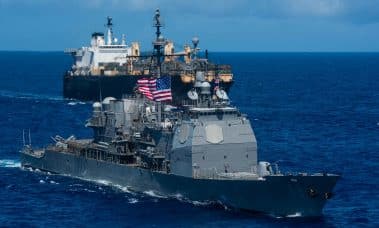
The USS Gerald Ford carrier strike group has returned to the Middle East amid escalating tensions with Iran, signaling increased U.S. military commitment to the region. This deployment raises concerns about potential disruptions to global oil supply chains and regional stability, with downstream effects on energy markets and cryptocurrency volatility.
The USS Gerald Ford's deployment represents a significant escalation in military posturing within one of the world's most strategically critical regions. The carrier strike group's presence serves as both a deterrent and a show of force, reflecting heightened concerns about Iranian regional activities and potential threats to commercial shipping and U.S. interests. This military buildup typically precedes periods of geopolitical instability that can ripple through global markets.
Historically, Middle Eastern tensions have consistently triggered energy market shocks. Iran's position as a major crude oil producer means that any escalation—whether military confrontation, sanctions expansion, or shipping blockades—creates immediate upward pressure on oil prices. Previous incidents involving Iranian forces, including attacks on shipping and military provocations, have demonstrated this pattern. The current deployment appears to be a preemptive measure to deter escalation, though the presence itself may paradoxically increase tensions.
For cryptocurrency and financial markets, geopolitical crises traditionally create flight-to-safety dynamics. Rising oil prices inflate inflation expectations, potentially affecting monetary policy decisions that impact risk assets like cryptocurrencies. Additionally, market uncertainty during geopolitical events often triggers increased volatility across all asset classes. Investors typically reduce exposure to riskier assets and reallocate toward traditional safe havens like gold, U.S. treasuries, and sometimes Bitcoin as a digital alternative.
Market participants should monitor developments carefully. Key indicators include any direct military confrontations, Iranian responses to the deployment, oil price movements, and broader risk sentiment. Prolonged tension without resolution could sustain elevated energy costs and market volatility, affecting both macro conditions and cryptocurrency trading behavior throughout the remainder of the quarter.
- →USS Gerald Ford deployment signals heightened U.S. military commitment to counter Iranian regional activities.
- →Middle East tensions typically trigger oil price spikes, which ripple through global energy and inflation expectations.
- →Geopolitical crises historically drive cryptocurrency volatility as investors reassess risk exposure.
- →Shipping disruptions in the Persian Gulf could impact global commerce and commodity prices.
- →Market participants should monitor Iranian response and oil price movements as key indicators of escalation risk.